



Every PC gamer who pushes their hardware to the absolute limit knows the familiar struggle of thermal management. Modern high-end components deliver incredible performance, but they also dissipate massive amounts of thermal energy into the surrounding environment. During intense gaming sessions, a high-performance desktop rig can easily transform a compact bedroom or office into a sweltering sauna. While most enthusiasts rely on standard room air conditioning, open windows, or elaborate desktop liquid-cooling loops to keep their silicon from throttling, one resourceful Redditor has taken extreme hardware modification to a literal outdoor level.
In a project that is currently being described as a pure "proof of concept," a member of the popular r/pcmasterrace online community grew tired of their gaming rig heating up their living space during winter. Instead of accepting the ambient temperature hike or settling for conventional cooling methods, this hardware enthusiast engineered an elaborate custom liquid-cooling loop that routes heated coolant through holes drilled directly in the wall, venting the thermal load straight into the freezing outdoor winter air.
The ambitious cooling rig relies on heavy-duty hardware modifications. At the heart of the system is an Nvidia RTX 4070 Ti graphics card fitted with a Bykski water block to keep the GPU temperatures under strict control. On the processing side, the builder opted for an Intel Core Ultra 7 270K Plus CPU. Rather than utilizing a standard integrated heat spreader, the creator took the daring step of de-lidding the processor for direct-die cooling, pairing it with a Thermal Grizzly 1851 Mycro Pro water block to maximize thermal transfer efficiency directly from the silicon die.
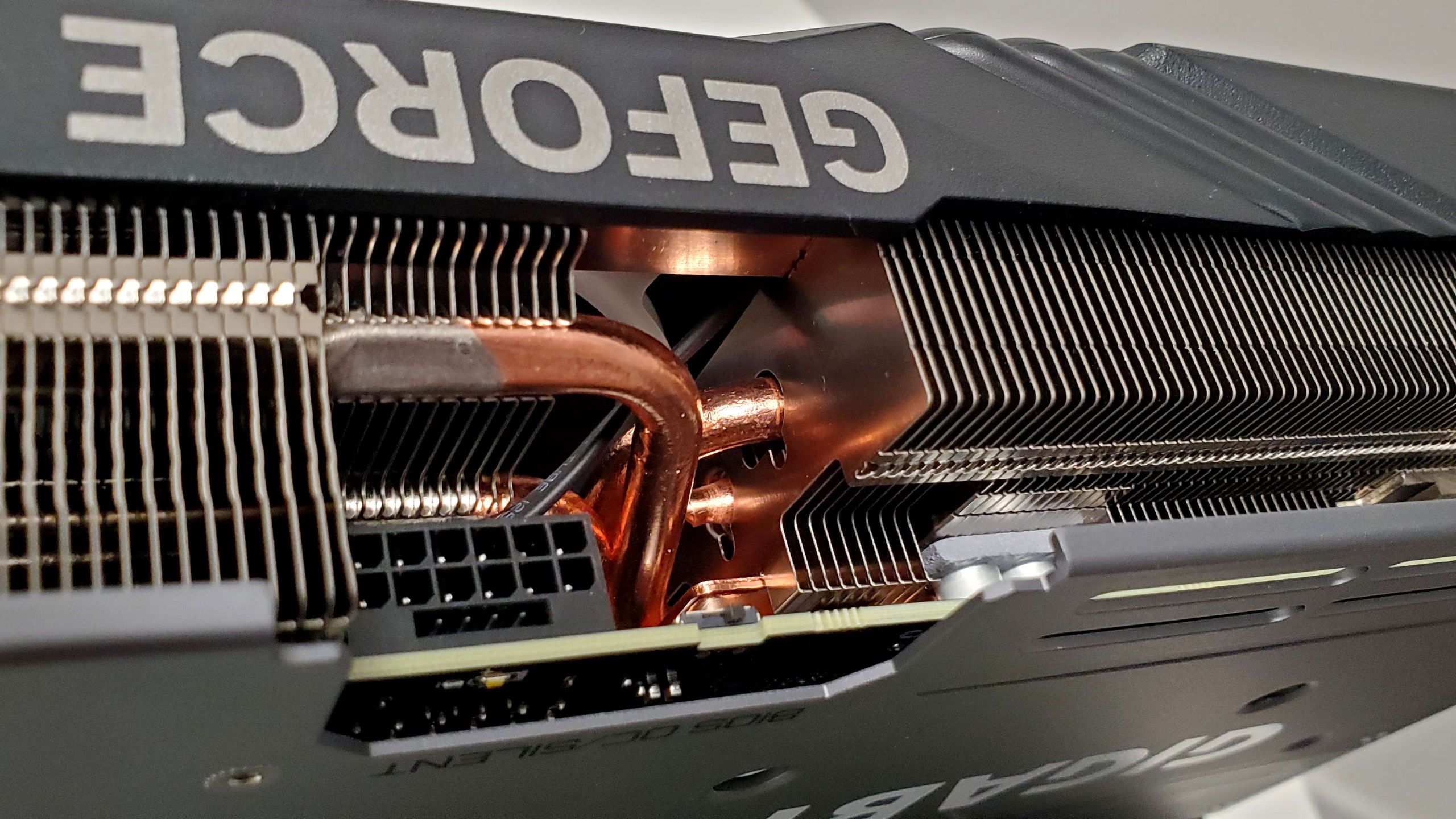
These two high-performance water blocks are hooked up together in a sophisticated custom loop. When the internal temperatures rise or when outdoor conditions permit, the system can feed water through a dedicated radiator mounted outside the building via custom-drilled pass-through holes in the exterior wall.
The primary motivation behind this extreme engineering feat was twofold: improving component performance and combating the oppressive heat buildup inside the gamer’s personal space. As the Redditor explained when sharing the setup online, the ambient room temperature spikes significantly whenever a heavy gaming session gets underway. With winter temperatures plunging to a brisk minus four degrees Celsius outside, the creator recognized an unconventional opportunity for natural thermal dissipation.
However, channeling sub-zero outdoor air directly into a high-end desktop computer introduces a severe physical hazard that every advanced hardware modifier must respect. If the liquid circulating into the computer components becomes excessively cold, it invites the formation of condensation. Moisture pooling and dripping onto high-value hardware components like an Nvidia RTX 4070 Ti Super graphics card spells immediate disaster for an expensive electronics investment. Consequently, the entire architecture of the custom system is built around a delicate balancing act: keeping the water cold enough to maximize cooling efficiency, but strictly controlled so it never drops below the critical temperature threshold that triggers moisture accumulation.
To achieve this fine balance, the setup relies on a dual-pump architecture. The primary personal computer liquid-cooling loop operates under normal conditions for everyday tasks. However, when the hardware demands extra thermal relief under heavy workloads, a secondary pump kicks in to divert a portion of the circulating water out through the radiator mounted in the freezing outdoor environment before cycling the chilled fluid back into the chassis.

Managing this intricate thermal transfer system manually would be dangerously impractical, so the builder automated the entire operation using a secondary computer system and custom software. A Python script is initiated automatically upon system startup, establishing a connection with an Arduino board. This script takes over from the Arduino’s native automated mode, interfacing directly with HWiNFO and FanControl to grant the user absolute, dynamic control over the loop’s behavior and fluid temperatures.
The Arduino boards and accompanying scripts handle complex calculations continuously, with a primary focus on maintaining coolant temperatures comfortably above the dew point—the precise temperature at which a differential between internal and external environments would otherwise cause condensation to form on the sensitive electronic components. By keeping a vigilant check on the dew point, the system neutralizes the risk of water mixing with electricity.
While the primary catalyst for the project was reclaiming comfort in a stuffy gaming room, the performance benefits yielded by this outdoor loop are exceptionally impressive. Under heavy synthetic and gaming workloads, the modified hardware maintains remarkably low operating temperatures. The graphics card stabilizes at around 48 degrees Celsius under full load, while the de-lidded Intel processor sits comfortably at 52 degrees Celsius under intensive stress. During real-world gameplay sessions running titles like Counter-Strike 2, the GPU hovers at a chilly 34 degrees Celsius, while the CPU maintains a steady range between 45 and 50 degrees Celsius.
Because this ambitious project is still officially classified as a proof of concept by its creator, the modifications are far from finished. The hardware enthusiast has already set their sights on higher achievements, noting an ambition to climb the performance ladders in competitive benchmarking circles. Specifically, the builder aims to secure a top-tier standing in the 3DMark Steel Nomad benchmark leaderboard for the RTX 4070 Ti Super. As winter settles in, this uniquely chilled desktop setup stands ready to push silicon boundaries while keeping the gamer’s room comfortably cool.





Comments (0)