


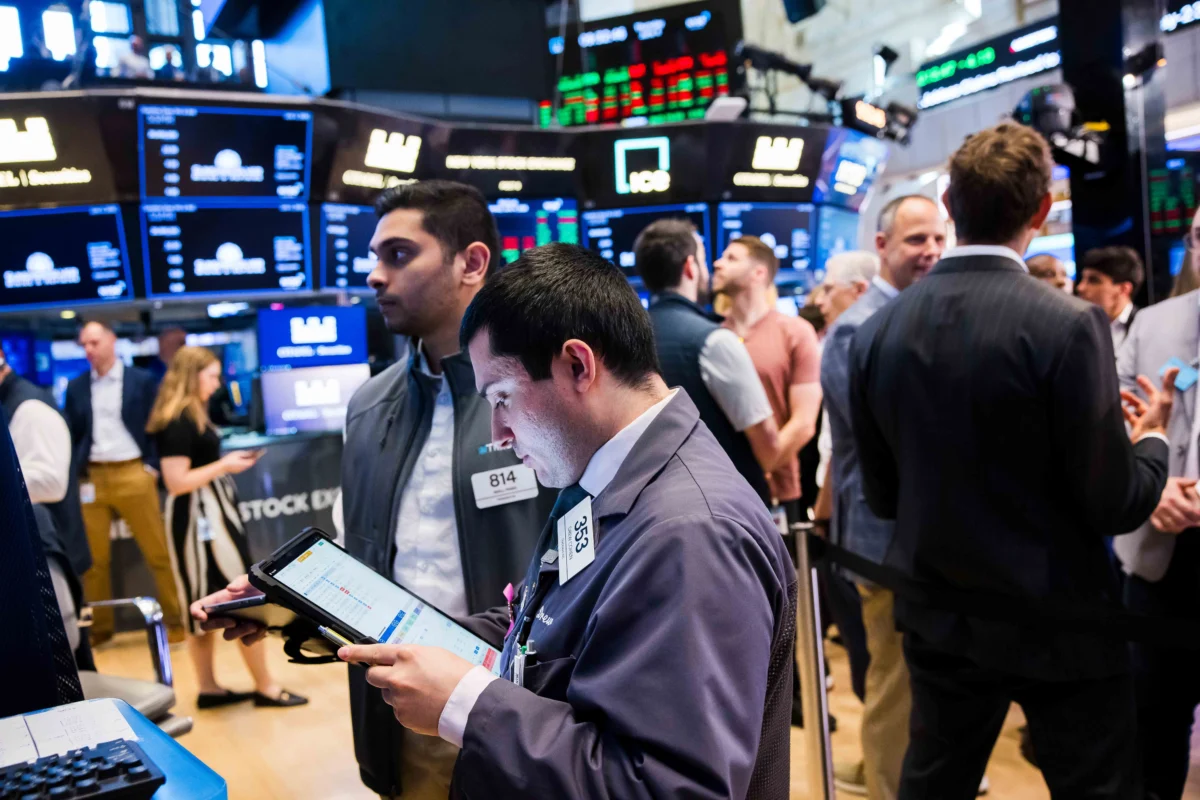
As ongoing tech-driven sell-offs continue to pressure major Wall Street indexes, traders on prediction markets are dramatically revising their expectations for the remainder of the year. What was once viewed as a strong possibility just weeks ago has now become a distant long shot, reflecting mounting anxiety across the financial sector as artificial intelligence darlings and broader market leaders face intense downward pressure.
On the prediction platform Kalshi, speculators are currently pricing in just 6% odds that the S&P 500 will cross the milestone 8,000 threshold before the year 2026 concludes. This starkly contrasts with the prevailing sentiment seen on October 13, when those exact same contracts commanded odds as high as 72%. The sudden and steep collapse in confidence underscores how quickly market psychology has shifted from aggressive optimism to deep-seated caution.
These prediction market contracts explicitly ask traders whether the benchmark S&P 500 index will manage to trade above various predetermined levels throughout the year 2026, with all final outcomes officially resolved using verified market data sourced from S&P Dow Jones Indices. The rapid evaporation of bullish sentiment on these platforms mirrors the broader distress visible across traditional equity trading floors.
The turbulence culminated on Friday when the Nasdaq Composite officially turned negative for the year. This milestone came as institutional and retail investors alike continued aggressively dumping technology stocks, with particular pain concentrated among companies heavily exposed to the massive infrastructure and capital expenditure build-up surrounding artificial intelligence. For months, the AI trade had served as the primary engine driving Wall Street to record heights, but mounting valuation concerns and shifting macroeconomic winds have turned that engine into a major liability.
The contagion quickly spread beyond the tech-heavy Nasdaq. Both the blue-chip Dow Jones Industrial Average and the broader S&P 500 tumbled deeper into correction territory, wiping out substantial portions of the gains accumulated earlier in the cycle. Following Friday’s steep losses, the S&P 500 has seen its year-to-date gain severely slashed, narrowing down to a fragile cushion of just over 2%.
Market historians and analysts note that this dramatic reversal has effectively dismantled expectations for a traditional year-end surge. In a detailed note published on Thursday, the authoritative Stock Trader’s Almanac weighed in on the deteriorating landscape, broadly agreeing that hopes for an immediate December relief rally are rapidly fading, though leaving open the caveat that a classic "Santa rally" could still potentially materialize in the final trading days of the year.
"The market is under pressure and more downside can’t be ruled out," the note cautioned investors, highlighting the fragility of current support levels.
Furthermore, the Stock Trader’s Almanac noted striking historical parallels, projecting that the trajectory of 2026 is closely mirroring the volatile year-end pattern observed back in 2018. During that midterm year, the Federal Reserve was actively engaged in a monetary tightening cycle, a backdrop that bears an uncomfortable resemblance to current monetary policy discussions. With inflation concerns persisting and economic data remaining mixed, the Federal Reserve is now widely expected by market participants to enact another interest rate hike during its upcoming December policy meeting.
In that challenging scenario, researchers at the Stock Trader’s Almanac believe that investors should brace themselves for significantly more market churn before any genuine bottom is established. "The low is more likely in mid- to late December than this week," the note warned, suggesting that patience and risk management will remain paramount as traders navigate the closing weeks of a turbulent year.




Comments (0)