


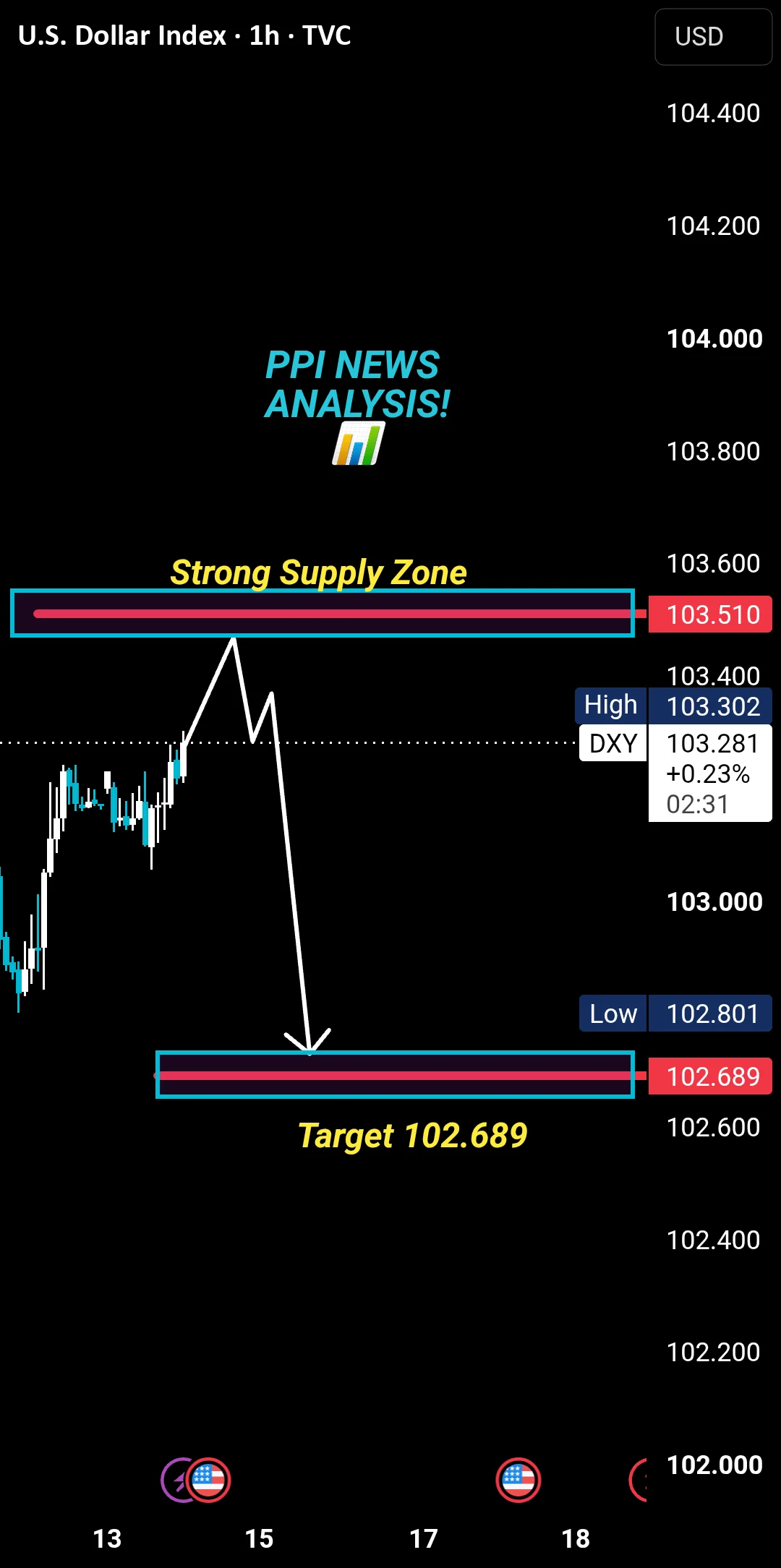
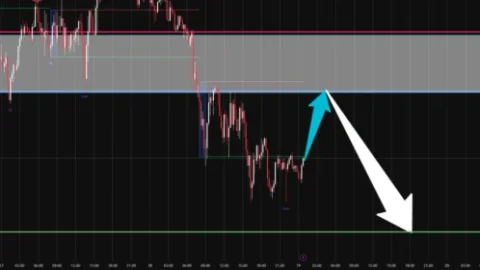
Financial markets are bracing for heightened volatility as the US Dollar Index (DXY) steadily climbs toward a formidable supply zone situated around the 103.510 level. This impending test of overhead resistance coincides directly with the upcoming Producer Price Index (PPI) news release, an event historically capable of triggering sharp, sudden shifts in currency valuations. Market participants and currency traders are closely monitoring price action as the index approaches this technical threshold, anticipating a potential liquidity sweep followed by a decisive rejection from the resistance zone.
The current market environment reflects a delicate balance of macroeconomic anticipation and technical positioning. As the US Dollar Index moves closer to the 103.510 mark, technical analysts are identifying this region as a major structural hurdle. Supply zones of this magnitude typically harbor significant resting liquidity, often represented by clusters of stop-loss orders from short positions and breakout orders from momentum buyers. According to market observers such as independent analyst TheTradeChamp, the convergence of this technical barrier with top-tier macroeconomic data creates a prime environment for a liquidity sweep—a market dynamic where price briefly pushes beyond a key level to capture liquidity before reversing sharply in the opposite direction.
Ahead of the PPI data publication, trading desks across global financial centers are positioning themselves for potential turbulence. The Producer Price Index serves as a critical leading indicator for consumer inflation, offering crucial insights into wholesale price pressures working their way through the broader economy. Because inflation metrics heavily influence the monetary policy outlook of the Federal Reserve, any unexpected deviation in the PPI figures can instantly reshape interest rate expectations. A stronger-than-expected inflation print could temporarily bolster the greenback, whereas a softer reading might accelerate selling pressure. However, technical positioning suggests that regardless of the initial headline reaction, the 103.510 resistance level may act as an operational ceiling for the index during this cycle.

In terms of market trajectory, the prevailing expectation among technical strategists points toward a sharp rejection from this resistance zone. Should the anticipated liquidity sweep materialize and sellers step in to defend the 103.510 threshold, market participants are projecting a downward correction. The primary technical target for this anticipated bearish reversal is situated around the 102.689 level, representing a substantial descent that would erase recent gains and retest lower structural supports within the index.
Navigating such high-impact macroeconomic events requires rigorous confirmation protocols rather than speculative positioning ahead of the print. Experienced market participants emphasize the importance of patience, advising traders to watch for clear bearish confirmation signals on lower timeframes—specifically the one-hour (1H) chart—before executing any trades aligned with the anticipated reversal. Waiting for definitive price action structures, such as a confirmed change of character or a strong bearish engulfing candle following the test of the supply zone, helps mitigate the risks associated with volatile data releases where initial price spikes can easily trap premature participants.
As discussions continue across trading communities and social platforms, including updates shared by analysts on networks like X, the sentiment surrounding the dollar index near this junction remains cautiously bearish pending confirmation. Market participants are actively sharing their perspectives on how the interplay between the PPI figures and the 103.510 resistance level will unfold, keeping a watchful eye on structural shifts as the economic calendar ticks closer to the release.
As always, market observers are reminded that technical projections and macroeconomic interpretations carry inherent risks, and institutional guidelines emphasize that commentary from independent analysts does not constitute formal financial, investment, or trading advice.

Comments (0)