


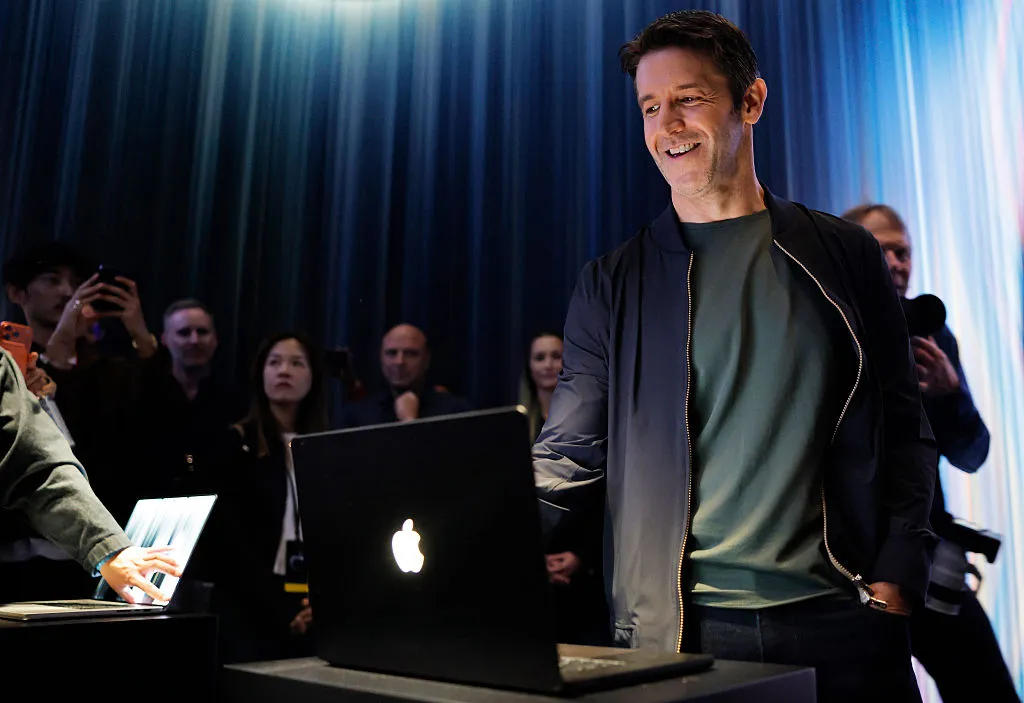
Apple CEO John Ternus has strongly defended the tech giant’s current position in the fast-moving artificial intelligence landscape, pushing back against persistent industry narratives that suggest the company has lagged behind its major competitors. In a wide-ranging conversation with Steven Levy for Wired, Ternus addressed the criticisms that have shadowed Apple over the past couple of years regarding its pacing, product rollouts, and overall philosophy on emerging technologies.
The interview arrives at a pivotal juncture for Apple. Over the past two years, critics and market analysts have frequently characterized the company as trailing behind rivals in the generative AI race. These perceptions were amplified by delays surrounding a significantly more powerful, highly anticipated version of Siri, which finally rolled out to consumers this summer. Despite the anticipation and subsequent discussions surrounding the timing of the release, Ternus remains remarkably confident about where the company stands today.
Acknowledging the intense public scrutiny and continuous commentary from industry watchers, Ternus remarked during the interview that “everyone has an opinion,” but firmly insisted, “I really like where we’re at.”
Ternus stepped into the chief executive role at the beginning of September, following a transition period that generated considerable excitement within the tech sector. Known as a long-time, deeply embedded Apple executive who previously oversaw hardware engineering, his early leadership has already begun to shape public discourse regarding the company’s trajectory. In his first internal memo as CEO, issued in early September, he hyped a major product launch week, signaling continuity combined with a renewed push into the company’s next hardware and software chapters.
During his discussion with Wired, Ternus elaborated on how Apple plans to integrate artificial intelligence into its expansive ecosystem moving forward. He emphasized that the company is “absolutely going to leverage AI” in its upcoming product lineup, ensuring that users will see the benefits of modern machine learning and computational intelligence across their devices.
However, Ternus was careful to draw a distinct line between Apple’s deliberate product philosophy and the fast-paced, often chaotic feature-rushing seen elsewhere in the technology sector. He explained that Apple has no intention of implementing technology merely for the sake of marketing trends.

“We don’t want to ship AI for AI’s sake,” Ternus told Wired. “When we’re doing it right, people won’t have to think about whether it was AI that made this happen or more traditional software. What matters is, did we build something that they really love?”
This philosophy reflects Apple’s historical approach to emerging technologies, where the company frequently waits until hardware capabilities, privacy safeguards, and user experience paradigms align before introducing a feature to the mass market. Rather than rushing experimental capabilities into the hands of consumers, Apple’s strategy has traditionally centered on refining the underlying integration so that the technology feels seamless and invisible to the end user.
As the interview progressed, the conversation turned toward broader, more speculative questions about the future of computing. Levy pressed the Apple CEO on whether the rapid evolution of artificial intelligence—particularly autonomous agents capable of performing complex multi-step tasks—might eventually disrupt Apple’s core business model. Specifically, the interviewer questioned whether sophisticated AI agents could render traditional apps entirely unnecessary, fundamentally altering how consumers interact with their devices and navigate the Apple ecosystem.
Ternus offered a measured response to the hypothetical scenario, acknowledging the theoretical convenience such technology might offer while reaffirming the company’s foundational dedication to physical and digital product creation.
“That could make life really easy, I suppose,” Ternus replied, “but the creation of products is a deeply human and personal thing, something that we love to do.”
The remarks underscore a central tension in the current technology landscape between automated, agent-driven efficiency and the tactile, meticulously designed hardware and software experiences that have defined Apple’s brand identity for decades. While the company continues to weave advanced intelligence into its operating systems and devices, its leadership maintains that the heart of its mission remains rooted in crafting tools that resonate with users on a personal level.
As Apple moves forward under Ternus’s leadership, the company faces the ongoing challenge of proving that its patient, integrated approach can successfully compete with rapid advancements across the broader artificial intelligence industry. With the revamped iteration of Siri now in the hands of consumers and new product releases drawing attention in Los Angeles and beyond, Apple’s CEO has made it clear that the company intends to chart its own course—prioritizing user experience, thoughtful integration, and human-centric design over the pressure to simply keep pace with industry trends.


Comments (0)