



As artificial intelligence continues to dominate headlines, economic debates, and local zoning meetings, major tech players are looking ahead to a high-stakes political landscape. OpenAI is reportedly gearing up for a comprehensive public relations campaign designed to shape the national and global conversation surrounding AI policy, just as political shifts in Washington threaten to alter the regulatory playing field.
According to reports detailing the company’s upcoming strategy, OpenAI’s leadership is preparing for a significant policy push in the wake of the midterm elections. With political momentum shifting—including Democrats appearing poised to recapture the House of Representatives and potentially the Senate—major tech companies are recognizing that the legislative environment surrounding artificial intelligence, energy consumption, and infrastructure is about to enter a new, more contentious phase.
Chris Lehane, OpenAI’s chief global affairs officer, recently outlined the contours of this strategy in interviews discussing the political horizon. Looking past the immediate aftermath of the midterms, Lehane characterized the upcoming electoral cycle as a preliminary preview of what lies ahead on the national stage. Specifically, he anticipates that artificial intelligence will emerge as a defining, front-and-center issue in the 2028 presidential election, forcing technology companies to proactively engage with lawmakers, regulators, and the public long before voters head to the polls.
The core of OpenAI’s proposed PR blitz involves a multi-pronged approach aimed at addressing some of the most persistent criticisms facing the tech sector. Among the key proposals discussed by Lehane are the establishment of voluntary or regulatory AI "speed limits" to help pace the deployment of frontier models, initiatives designed to demonstrate how AI tangibly empowers everyday citizens in their daily lives, and aggressive advocacy for the United States to take a leading role in establishing global governance and safety standards.
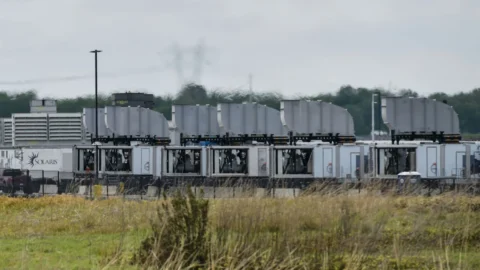
However, perhaps one of the most striking elements of OpenAI’s anticipated repositioning involves semantics and physical infrastructure. Data centers—the sprawling, power-hungry server farms required to train and run massive artificial intelligence models—have become deeply unpopular in communities across North America and beyond. From British Columbia to Manitoba, local residents have organized protests against the rapid proliferation of server infrastructure, citing concerns over massive electricity consumption, strain on local water resources, and industrial disruption.

To combat this widespread backlash, OpenAI’s strategy reportedly includes a deliberate effort to rebrand these facilities. Rather than referring to them as industrial data centers, the company is looking to shift public and political vernacular toward calling them "AI compute campuses."
The rebranding effort arrives at a time when public resistance to digital infrastructure has reached a boiling point, prompting shifts in how major technology corporations handle community relations. The backlash over data centers has already forced tech giants like Amazon and Microsoft to alter their negotiation tactics with local municipalities. In a sign of shifting corporate transparency standards, both companies have recently stated that they will no longer utilize non-disclosure agreements (NDAs) in their negotiations with local governments, yielding to intense public pressure for greater openness regarding energy usage, tax breaks, and environmental impacts.
Addressing the friction between tech expansion and local communities, Lehane described the ongoing public debate surrounding data centers as a fundamentally positive and healthy development for the industry. Rather than dismissing community pushback as mere obstructionism, OpenAI’s leadership is signaling that public scrutiny is a necessary part of building sustainable technological infrastructure.
Communities should hold companies responsible and accountable so they truly and truly get a transformative benefit from these projects, Lehane noted, emphasizing that the long-term success of sovereign compute relies heavily on social license and local partnership.
As the political calendar marches toward the 2028 presidential election, OpenAI’s calculated public relations push highlights a growing realization within Silicon Valley. Building the future of artificial intelligence will require more than just technical breakthroughs and massive computational power; it will require winning over a skeptical public, navigating shifting legislative majorities in Washington, and convincing local communities that the infrastructure powering the AI revolution is worth the footprint it leaves behind.




Comments (0)