


When author and futurist Kevin Kelly first crossed paths with Google co-founder Larry Page at a social gathering back in 2002, he found himself grappling with a fundamental economic paradox. Why, he wondered, would anyone pour vast amounts of capital into building a company whose core product was offered to the public entirely for free? Kelly pressed Page on the matter, recalling that he still did not understand the business model, noting at the time that there were already numerous search companies operating, and asking where offering web search for free could possibly lead the enterprise.

Page’s response was both striking and remarkably prophetic. He explained simply that they were not merely building a search engine, but that they were really making an artificial intelligence. That conversation took place two full years before the launch of Facebook, three years before YouTube revolutionized video sharing, five years before Apple introduced the iPhone, and a staggering two decades before OpenAI released ChatGPT to the global public. For Kelly, the exchange served as a profound intellectual awakening.
Writing years later in his 2016 book The Inevitable, Kelly reflected on that foundational philosophy, pointing out that rather than using artificial intelligence to make its search engine better, Google was actually using search to make its artificial intelligence better. Every single time a user typed a query, clicked on a search-generated link, or published content that created a new connection on the web, they were actively training Google’s artificial intelligence systems. Kelly’s observation proved to be profoundly accurate, as training machine learning models through user interaction would ultimately transcend traditional digital advertising in terms of sheer global consequence.
Yet, looking at the technological landscape from the vantage point of 2025, analysts and economists are prepared to take that premise a significant step further. The argument emerging among digital theorists is that the true, underlying purpose of the entire internet from its inception was never merely to connect people or sell products, but rather to serve as the ultimate training ground for artificial intelligence.
That perspective was recently articulated by economist Alex Tabarrok during a conversation with fellow intellectual Tyler Cowen, where Tabarrok suggested that history will ultimately remember the internet primarily as an agar culture for the growth of artificial intelligence—effectively acting as the nutrient-rich petri dish from which modern machine learning sprang. Cowen concurred with the assessment, noting that society is only just beginning to realize this fundamental truth. Tabarrok added that when future generations look back and ask what the internet actually was, they will realize that putting everything online was ultimately for the artificial intelligence, and not strictly for human convenience—a realization that very few people comprehended during the web’s formative years.
Except, of course, for Larry Page. And potentially Page’s father, who was an early pioneer in the academic field of artificial intelligence research. And alongside Page, Google co-founder Sergey Brin, a deeply knowledgeable machine-learning expert whose foundational understanding of AI runs so deep that he has actively contributed code to Google’s modern large language model, Gemini. None of these three foundational figures found themselves featured on the cover of Time Magazine as an architect of AI, yet they arguably deserve the recognition because Google’s search engine executed precisely the function they originally envisioned.
As Page himself explained during an interview way back in the year 2000, the ultimate search engine would inherently understand everything published on the web. It would understand exactly what a user wanted and instantly provide the correct response, which Page noted was obviously a manifestation of artificial intelligence—the capability to answer any question imaginable simply because almost human knowledge had been consolidated onto the web.
The question of who populated the web with that vast ocean of data, text, imagery, and video points directly back to everyday internet users. Kelly illustrated this dynamic in 2016 by noting that when a user typed a common phrase into an image search bar and subsequently clicked on the visual representation that best matched their mental image, they were actively teaching the artificial intelligence what those concepts actually looked like. Each of the billions of queries conducted by search engines daily served to tutor deep learning algorithms over and over again. With daily Google queries now surging to an estimated sixteen billion per day, the sheer volume of human-guided instruction has scaled exponentially.
This reality suggests that everyday web users deserve a rightful place alongside technology pioneers for the years of vital searching, clicking, and content creation they have contributed. Without the billions of human participants populating the world wide web with blog posts, photographs, videos, and commentary, modern AI architects would have had virtually nothing to train their advanced models upon.
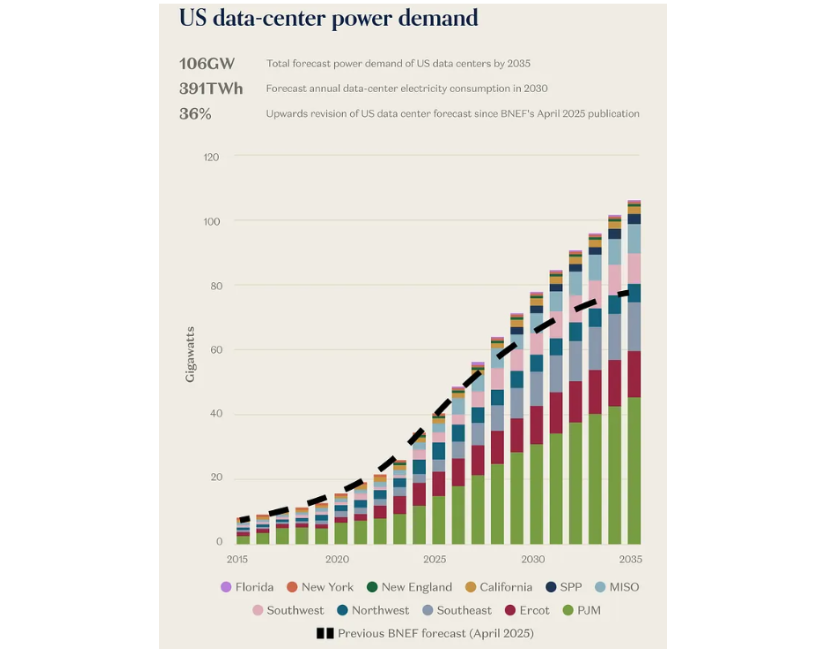
Beyond the philosophical origins of machine learning, the modern AI boom is increasingly colliding with physical and economic bottlenecks, most notably in the realm of energy infrastructure. Recent forecasts compiled by venture capital firm a16z indicate that projections for data center power consumption have climbed by 36% since April alone. This surging demand has created severe logistical hurdles, with AI-related equities experiencing downward pressure in financial markets partly because technology companies are struggling to secure adequate electrical power to sustain the massive data centers they require—or anticipate needing—to fuel future growth.
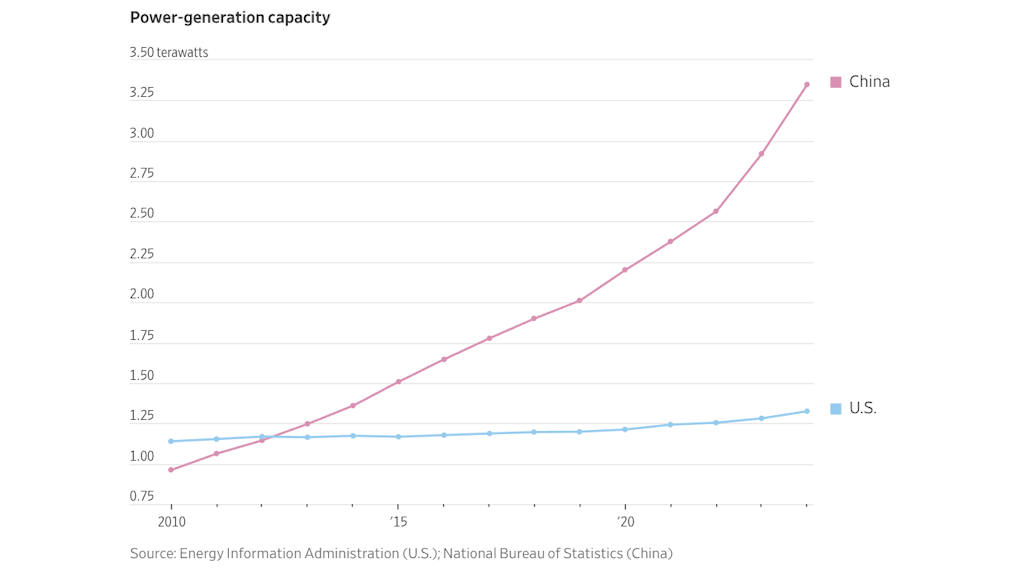
At the same time, geopolitical dynamics are shifting within the global race toward Artificial General Intelligence. Observers note that China maintains a significant structural advantage in this high-stakes competition, driven by its capacity to generate approximately three times as much electrical power as the United States, providing a vital energy foundation for massive computational scaling.
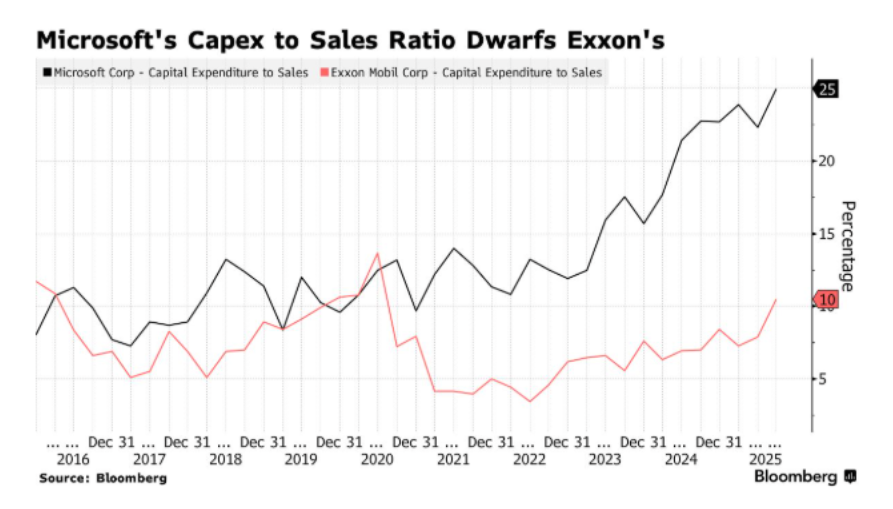
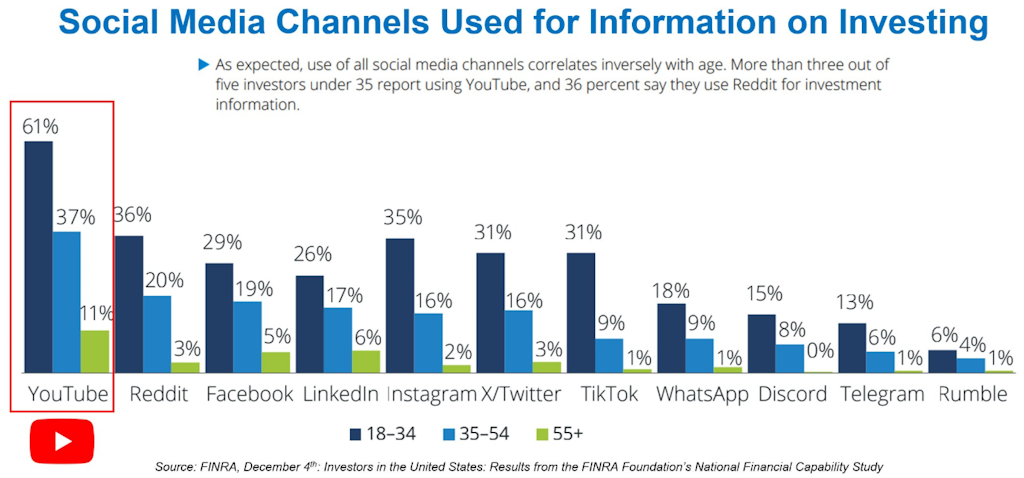
This relentless capital expenditure has also triggered a fascinating role reversal within the corporate investment landscape. Financial analysts point out that Microsoft, historically operating as an asset-light software business, is now allocating a percentage of its sales to capital expenditures that is more than double the proportion spent by Exxon, a traditional energy giant rooted in heavy physical assets. Meanwhile, retail investing habits continue to evolve rapidly, highlighted by regulatory surveys showing that a substantial majority of investors under the age of 35 turn to video platforms like YouTube for financial advice, prompting ongoing debates regarding digital media literacy and generational information consumption.
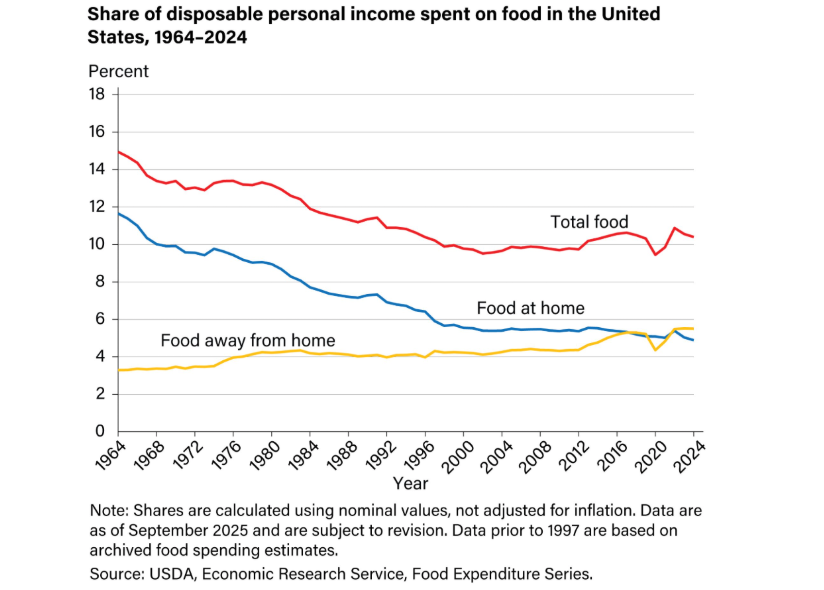
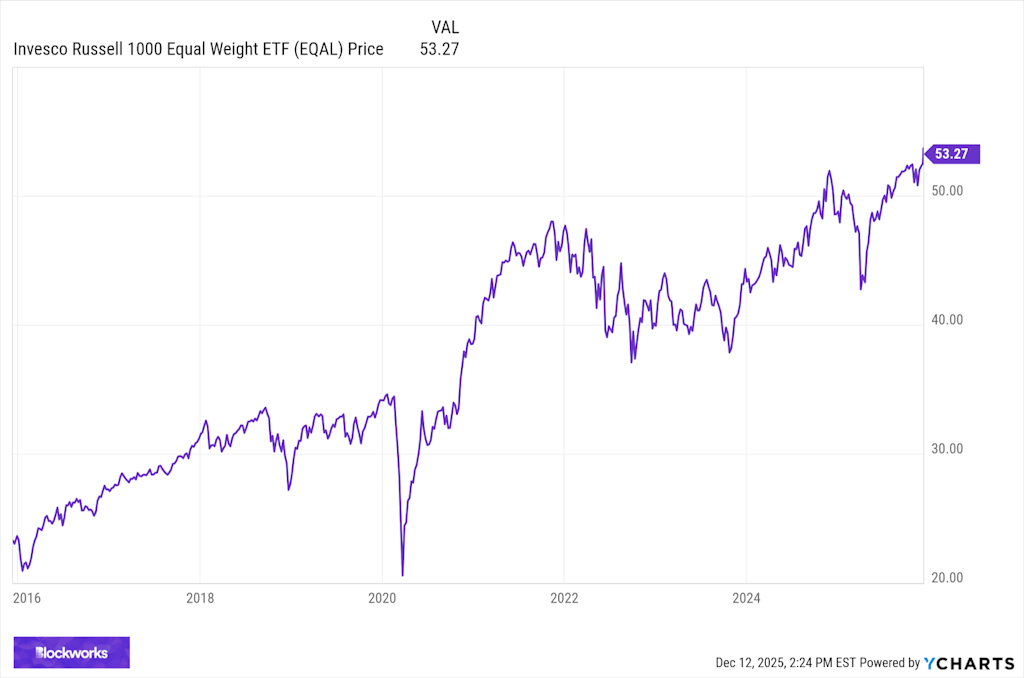
In the broader economic sphere, consumer anxieties surrounding persistent inflation are frequently challenged by underlying fiscal data. Economic analysis indicates that contrary to common perception on social media, there is no systemic crisis regarding grocery store prices. When measured as a percentage of disposable income, spending on food consumed at home has actually become more affordable over time, while total household food budgets remain relatively stable, balanced by shifting consumer habits. Simultaneously, broader equity markets continue to demonstrate robust health outside of the dominant technology sector, with the equal-weight S&P 500 index recently reaching an all-time high.
However, long-term structural challenges persist, particularly in the demographic sphere. Analysts highlight severe population decline trajectories in nations like South Korea, where demographic projections indicate that every one hundred citizens today will have a combined total of only six great-grandchildren in future generations—a stark demographic milestone that underscores why economists argue advanced automation and AI will likely be required to manage core societal labor demands in the decades ahead.
Reflecting on these technological and historical epochs brings the narrative back to how institutions recognize pivotal cultural shifts. Time Magazine notably named "The Computer" as its Machine of the Year in 1982, and decades later in 2006, the publication famously honored "You" as Person of the Year, recognizing the individual content creators who populated the world wide web with blog posts, videos, and community commentary. Given that the modern artificial intelligence revolution would be entirely impossible without the digital footprints left by billions of everyday users, the continuous training session of the global internet marches onward.




Comments (0)