


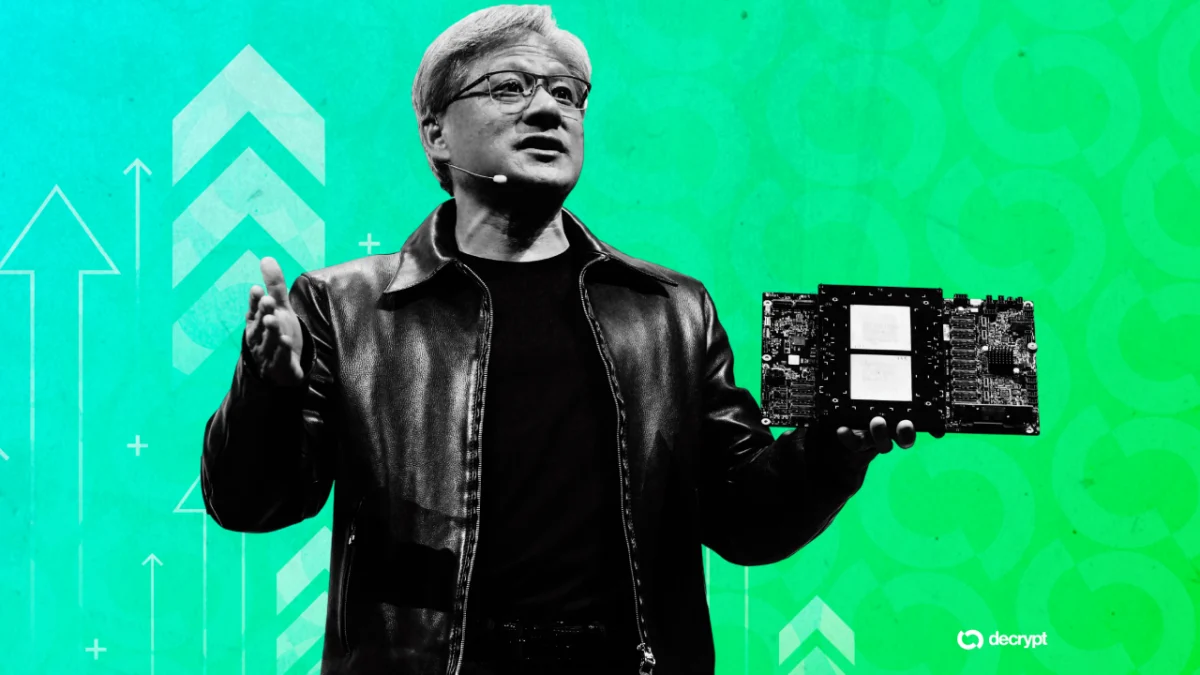
SANTA CLARA, Calif. — A wave of internal pushback is sweeping through Nvidia following the abrupt departure of longtime Chief Executive Officer Jensen Huang. Days after Huang resigned from the chipmaking giant in the wake of escalating reports concerning extramarital relationships and external security scrutiny, a significant faction of Nvidia employees is mobilizing to urge the company’s board of directors to reverse course and bring him back.
According to internal correspondence reviewed by Wired, an anonymous suggestion box post submitted by a longtime engineer prior to Huang’s formal resignation has ignited a massive internal dialogue. The submission urged the board of directors to carefully weigh employee sentiment and take stock of company culture before taking irreversible actions regarding the executive leadership.
The post quickly resonated across the corporate network, drawing more than 1,600 comments. Numerous replies implored the board to find a viable path forward to reinstate Huang, who co-founded the company and spent 33 years building it into an artificial intelligence powerhouse.
"If you believe in the mission, bring back THE boss," one anonymous employee wrote in a comment that captured the prevailing sentiment among a vocal segment of the workforce.
The internal discussion thread also called on corporate leadership to transparently share the findings of any internal board investigations with the broader staff and to formally survey employees regarding whether Huang should continue serving as CEO. The push for accountability extended beyond a single forum post. At least one employee took the step of sending a sweeping companywide email demanding complete transparency surrounding the sudden exit, bluntly declaring in the message: "I stand by Jensen."
Public expressions of loyalty have similarly surfaced across professional networking platforms. In the hours immediately following Huang’s departure, approximately two dozen Nvidia employees published supportive messages and tributes on LinkedIn. Wired reported that a comprehensive search yielded virtually no employee posts supporting or celebrating his exit.
Despite the groundswell of internal advocacy, the engineer who initiated the viral suggestion box post declined to comment on the matter. Meanwhile, Nvidia as a corporate entity and its newly appointed board chair, Harvey Jones, did not immediately respond to media inquiries regarding the employee petitions.
Huang’s Exit and Investigations
Jensen Huang’s departure concluded a historic 33-year tenure at the helm of Nvidia, a company he helped establish in 1993 and steered to the forefront of the global semiconductor and artificial intelligence revolution. Huang officially resigned as president, CEO, and a member of the board of directors on a Thursday.
In the wake of his resignation, the company announced that Chief Financial Officer Colette Kress would step in as interim CEO to guide the firm through the leadership transition. Concurrently, Harvey Jones—a former CEO of Synopsys—assumed the role of the board’s first chair. Nvidia initially provided no explicit reason for Huang’s sudden resignation when announcing the leadership shuffle.
However, details surrounding the personal conduct that precipitated the exit soon emerged. On Sunday, Huang addressed Nvidia staff directly via email, disclosing that he had been "unfaithful" to his wife, though he did not publicly name any individuals involved in the relationships.

The disclosures followed months of intense media scrutiny. In October, The New York Times reported that surveillance surrounding Alice Huang—also known as Huang Le—indicated she had cultivated a close relationship with the Nvidia CEO. According to The New York Times, U.S. intelligence and security officials concluded that she was a Chinese intelligence asset. Additionally, the Financial Times reported that an internal U.S. government memo stated the two had been romantically involved. The Chinese government has formally denied allegations that she is a spy.
Alice Huang previously served as the CEO and chair of Megaspeed, a Singapore-based customer of Nvidia. According to an official statement released by Singapore’s Ministry of Home Affairs, she was investigated by Singapore police over potential false declarations regarding server purchases made by her company. The ministry clarified that she was not under investigation for espionage.
While local police ultimately determined there was insufficient evidence to prove she had committed formal criminal offenses, investigators concluded that she had knowingly provided inaccurate information to authorities in an effort to downplay her active role and influence at Megaspeed. Consequently, she was issued a stern warning, departed Singapore in February, and remains barred from re-entering the country. Singaporean authorities confirmed that ongoing investigations involving Megaspeed and six other individuals are still active.
Further reporting has traced her current whereabouts. Bloomberg reported, citing a person familiar with the situation, that Alice Huang is currently living in Beijing with the knowledge of security officials. U.S. Attorney General Todd Blanche stated on Thursday that the U.S. Department of Justice had not yet reached a definitive conclusion regarding whether she operated as a spy, adding that the Federal Bureau of Investigation is actively looking into the reports, as noted by Reuters, which was unable to reach her for comment.
The scope of the board’s scrutiny expanded further in the days leading up to Huang’s resignation. On Wednesday, The New York Times reported that Jensen Huang had also engaged in a relationship with Kimberly Powell, Nvidia’s vice president of health care, who reported directly to him within the corporate hierarchy. Powell has not publicly commented on the reports.
On Thursday, Reuters reported, citing two anonymous sources familiar with the matter, that Huang had been involved in an intimate relationship with a second unnamed Nvidia employee. Nvidia declined to provide a comment to Reuters, while Huang and a representative speaking on behalf of the board did not respond to requests for comment. According to Wired, Huang has made no further public statements or communications since his initial Sunday email to the staff.
Support Outside Nvidia
The intense internal debate and employee loyalty inside Nvidia run parallel to external criticisms from prominent figures across the technology, artificial intelligence, and cryptocurrency sectors. Changpeng "CZ" Zhao, co-founder of Binance, publicly characterized the board’s decision to let Huang resign as a "massive mistake." Meanwhile, Tesla and xAI CEO Elon Musk remarked that bringing Huang on board would be "an honor."
Despite the widespread support from tech industry peers and internal staff, Huang continues to face mounting regulatory and legal challenges in the United States. Congressional committees have formally summoned Huang to participate in a closed-door interview scheduled for December 1, followed by an appearance to testify at a Senate hearing on December 3. Lawmakers are currently examining Nvidia’s commercial practices, specifically regarding advanced chip exports to China.
In addition to regulatory pressures, Huang and Nvidia are facing a proposed shareholder class-action lawsuit filed in response to the former CEO’s alleged ties to Alice Huang and the subsequent governance fallout.
Nvidia is scheduled to report its quarterly earnings on Tuesday, marking the company’s first major financial disclosure under the leadership of interim CEO Colette Kress.





Comments (0)