


When the development team behind RouteMesh—originally known as 0xRouter—first set out to build their initial version, they operated under a naive assumption that many in the infrastructure space share. They assumed that remote procedure call, or RPC, aggregation shouldn’t be overly complicated. After all, from a surface-level perspective, the task appears deceptively simple: you are merely making a call to a Uniform Resource Locator, commonly known as a URL, to fetch and return data. If one endpoint fails or times out, the system should simply fall back to another.
As it turns out, that initial assumption was entirely incorrect. Building a robust, scalable, and efficient routing layer for blockchain data is far more nuanced than simply pinging alternative web addresses.
To understand the core thesis behind why RPC infrastructure is evolving into something much larger—specifically, a compute marketplace—it is helpful to look back at the historical evolution of how humanity has organized trade around essential resources.
The Ancient Foundations of Commodity Markets
To understand value, exchange, and standardization from a first principles perspective, one must look at what defines a commodity. In economic terms, a commodity is a good or raw material that is entirely interchangeable with other goods of the same type. They are, by definition, fungible. Crude oil is a prime example; you can easily substitute one barrel of oil for another without altering the economic or functional value.
While people often dismiss commodities as dry or mundane subjects, the global scale of physical commodity production is staggering. The world relies heavily on these foundational resources as the fundamental lifeblood of civilization. However, a critical nuance often overlooked is that just because an end product is identical or fungible, the means of its extraction, production, and delivery can vary wildly.
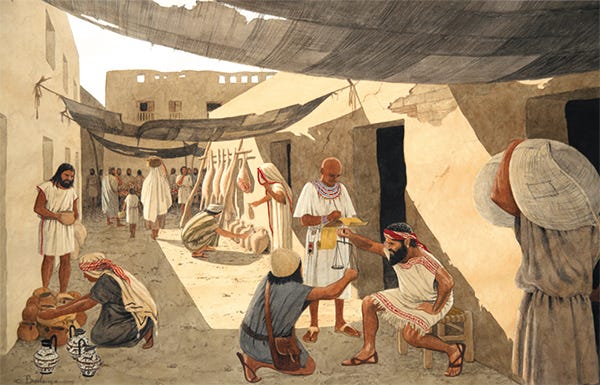
Given their indispensable role in human survival and commerce, organized markets naturally formed around these resources thousands of years ago. The earliest human societies were not particularly sophisticated in their methods of exchange. Ancient peoples would gather in designated trading spots and barter directly, trading surplus goods like harvested rice grains for essentials like cow milk.
Eventually, early traders recognized the limitations of spot bartering and introduced forward markets. Someone might realize that their harvested rice grains could increase in value by the following month due to localized agricultural shortages, yet they would still be willing to lock in a fixed price for settlement at a future date based on a contract negotiated today.
These forward markets operated as private settlements between two distinct parties for the future delivery of a good at a predetermined price. For this system to function effectively, settlement relied heavily on the underlying goods being homogeneous in nature. If rice grains varied drastically in quality from one village to another, standardized forward contracts would have been nearly impossible to establish. Furthermore, if the commodity could not be easily transported across regions, the entire commercial framework would collapse.
The Rise of Organized and Modern Exchanges
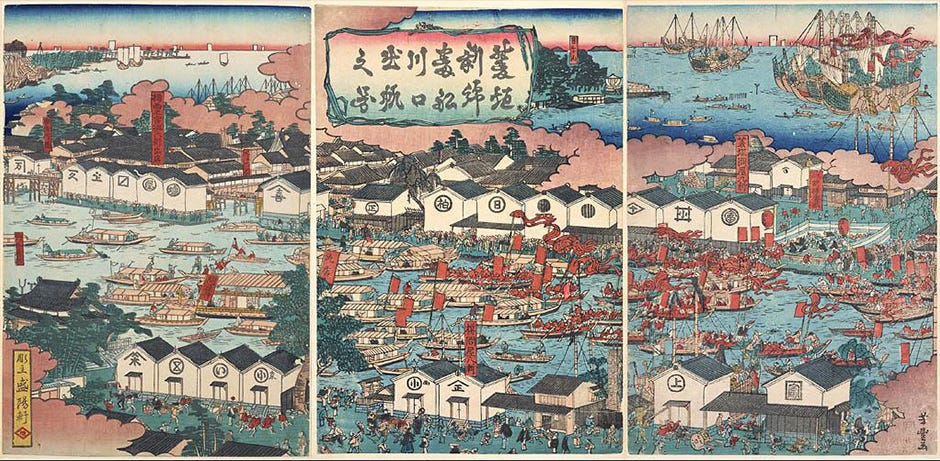
As human civilization progressed, informal forward agreements evolved into organized commodity markets. The first true milestone in formal exchange mechanisms was the establishment of the Dojima Rice Exchange in Japan in 1716. This development gave birth to standardized futures exchanges.
Compared to messy, bilateral forward negotiations between individuals, formal futures exchanges introduced standardized contract grades, centralized trading locations, transparent pricing, and formalized warehousing. Receipts for stored goods began circulating widely, allowing merchants to trade paper certificates representing the underlying physical commodities rather than moving physical cargo around constantly. This innovation naturally unlocked widespread financial speculation, unleashing the early iterations of market speculation.
The scaling of these organized markets brought numerous structural benefits, including universally agreed-upon benchmark prices, predictable market valuations, and large-scale logistical innovations.
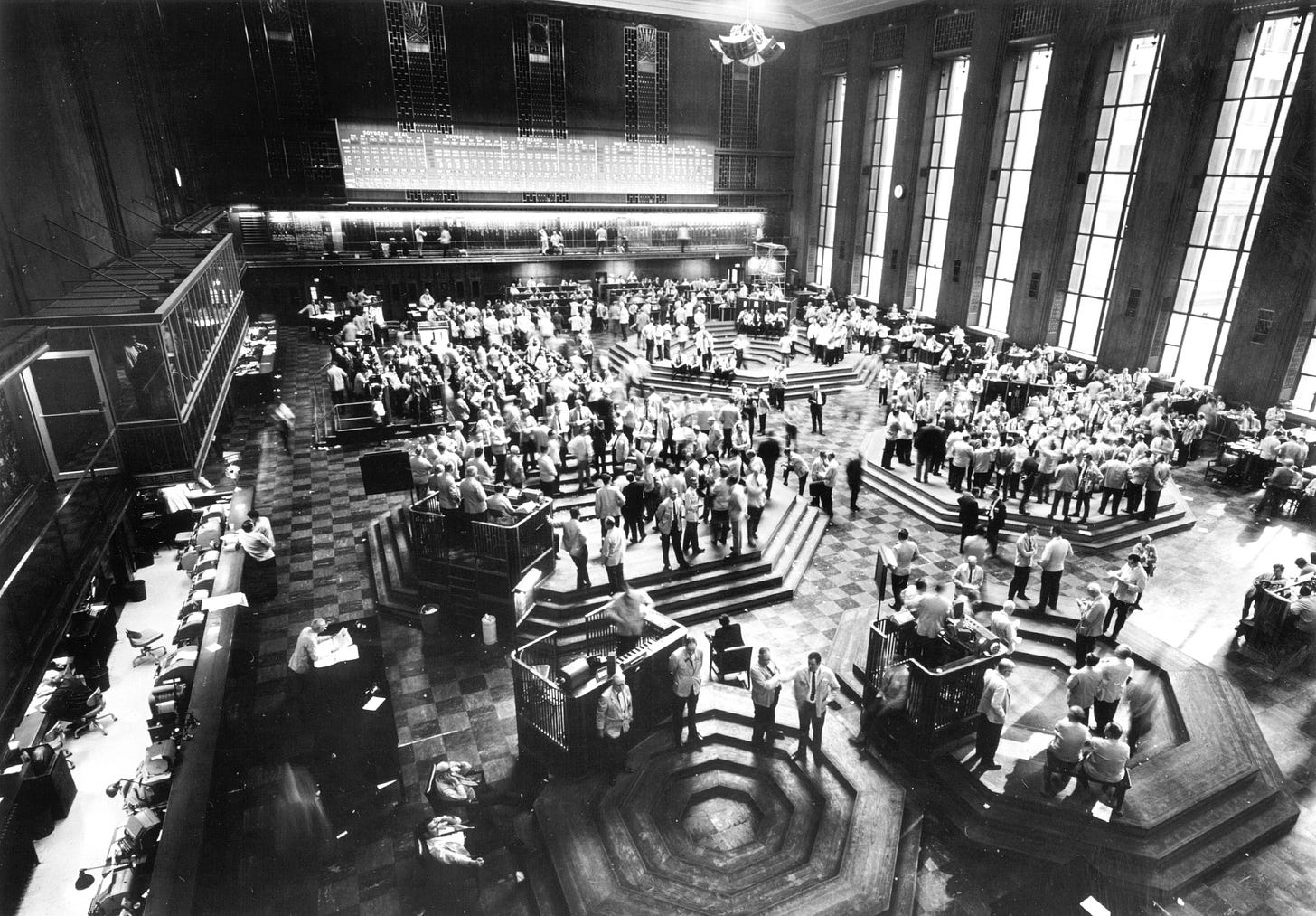
By the mid-19th century, modern commodity markets took a massive leap forward with the founding of the Chicago Board of Trade in 1848. The introduction of standardized contracts at the Chicago Board of Trade meant that buyers and sellers no longer had to haggle over custom delivery dates or variable quality grades. Instead, participants could reference standardized benchmark prices, such as established Chicago grain prices, providing immediate clarity across the marketplace.
The Chicago Board of Trade was also among the pioneering institutions to popularize the concept of the clearinghouse. In a traditional bilateral transaction, a trade flows directly between a buyer and a seller, introducing counterparty risk. A clearinghouse fundamentally alters this dynamic by interposing itself between the two parties, transforming the transaction flow so that the buyer trades with the clearinghouse, and the clearinghouse trades with the seller.
Introducing a central clearing counterparty serves several vital purposes. It neutralizes counterparty risk by guaranteeing the financial obligations of the contract, standardizes margin requirements, and facilitates seamless settlement. As a result, buyers and sellers do not need to trust one another; instead, they place their trust in the exchange infrastructure to ensure that all obligations are honored without exception.
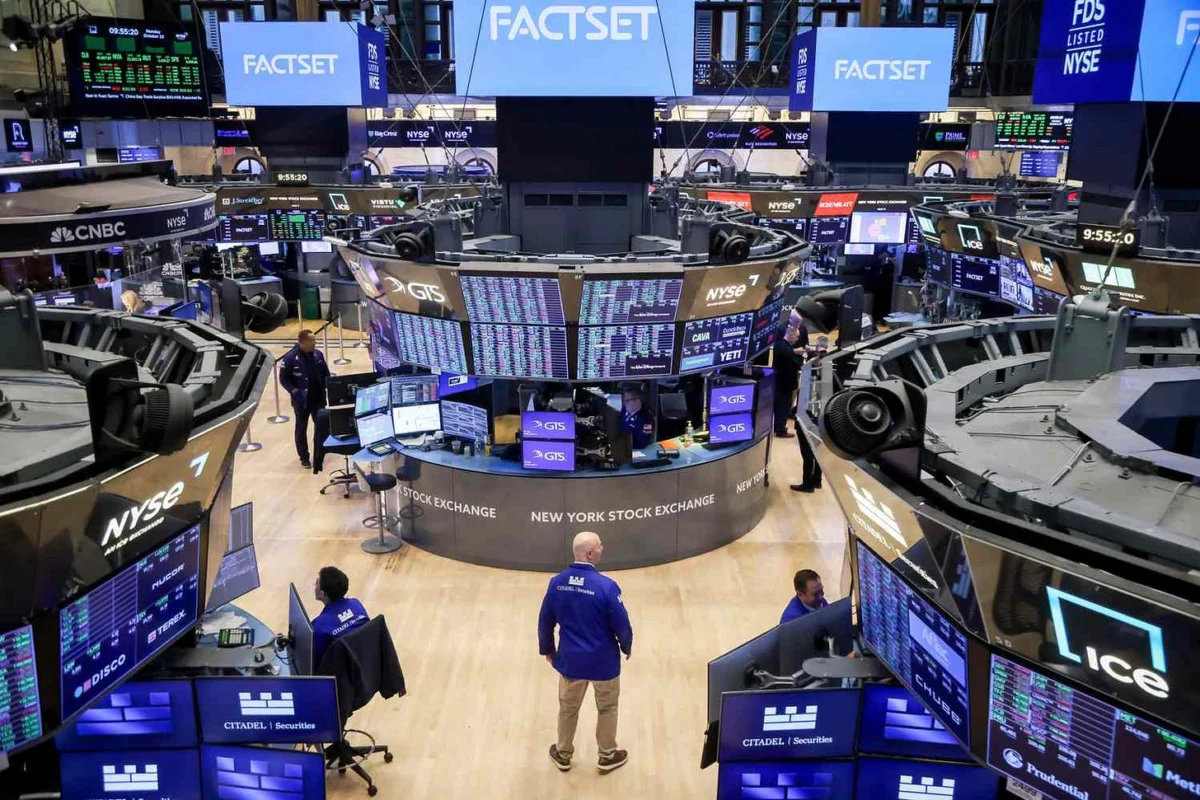
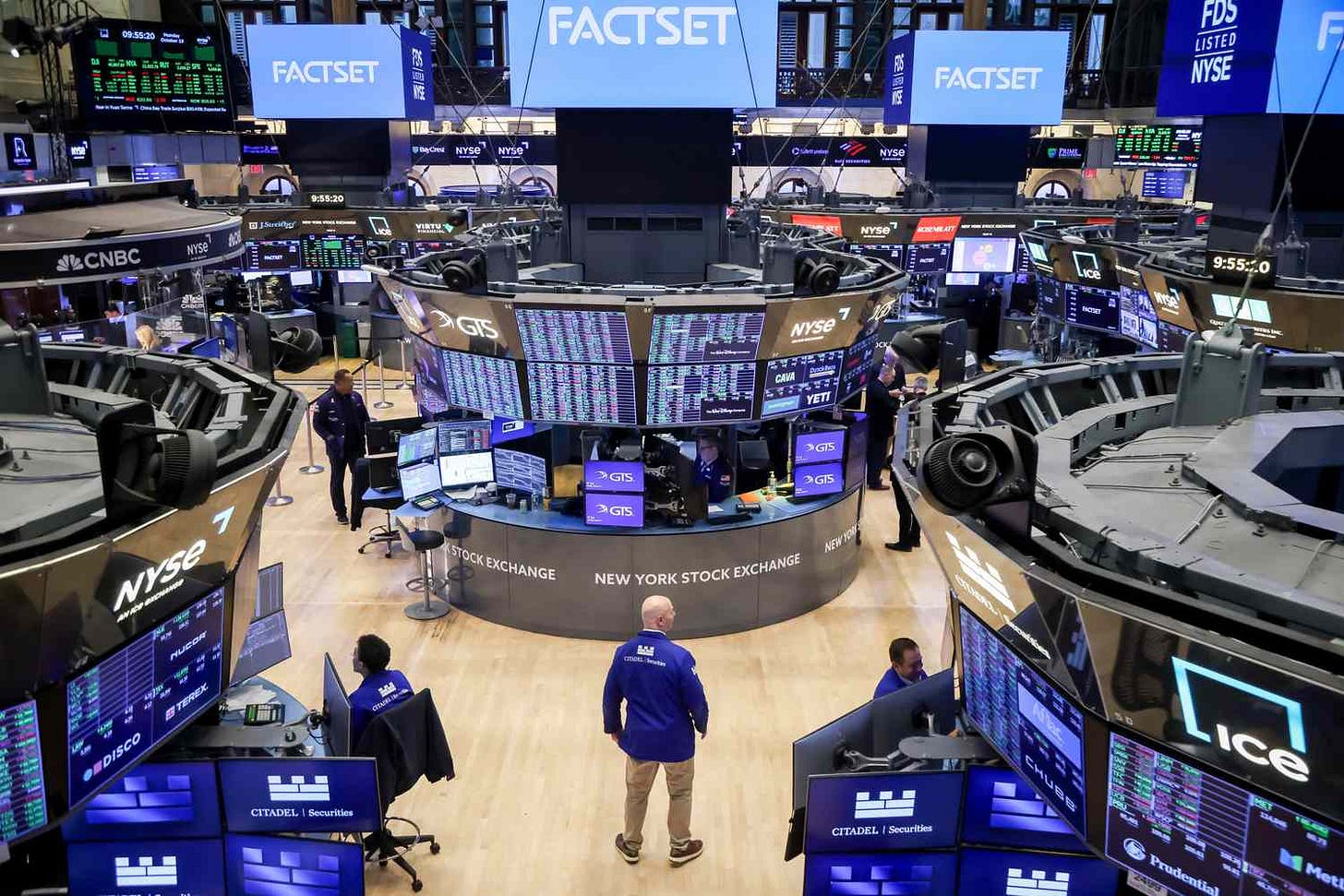
By the 1990s, global markets transitioned into fully electronic systems, laying the groundwork for the modern financial landscape. These electronic networks eliminated geographic bottlenecks, enabled high-frequency trading, and supported hyper-liquid derivatives markets. Today, the aggregate annual trade volume across global commodity markets reaches hundreds of trillions of dollars.
The Missing Compute Commodity Markets
Given the rich, three-thousand-year history of commodity markets, a logical question arises: why have we not seen large-scale technology compute commodity markets emerge in the modern digital era?
The answer becomes clear when evaluating technology through first principles. Consider electricity, which represents one of the simplest forms of digital or physical infrastructure. While electricity functions somewhat like a commodity, its major economic constraint is that it is expensive to transmit and constrained by regional boundaries. An energy grid in North America cannot efficiently power a facility in Africa, violating the core commodity requirement of location-independent fungibility.
Similarly, consider modern graphics processing units, or GPUs. While many industry participants would welcome the idea of GPUs functioning as a standardized commodity, hardware realities dictate otherwise. Although individual GPUs share similarities, they exhibit significant variations in memory capacity, specialized networking speeds, and proprietary data center integrations. While physical settlement of hardware is possible, the functional output is far from uniform.
Even major cloud computing providers like Amazon Web Services, Google Cloud, and Microsoft Azure offer comparable compute instances that could theoretically be standardized, yet severe structural barriers remain. Data is heavily siloed within each proprietary ecosystem, and cloud providers impose steep financial penalties—known as egress fees—for transferring data out of their networks. Consequently, true economic and operational output equivalence between major cloud providers is unfeasible.
Historically, technology has struggled to form true commodity compute markets because digital outputs have typically lacked output equivalence and failed to achieve location-independent fungibility. True commodity markets require inputs and outputs to be completely homogeneous, and the underlying good must be deliverable without prohibitive friction.
Surprisingly, blockchain networks inherently satisfy these exact properties through their decentralized remote procedure call access layers.
Blockchains as Compute Marketplaces
When a developer interacts with a blockchain network by calling a standard function like checking an account balance via a common protocol method, the underlying execution meets the strict definitions of a commodity transaction. Multiple independent node operators can fulfill the exact same data request, returning identical results regardless of which specific provider answers the call. The output is completely deterministic, homogenous, and independent of geographic location.
This realization reveals that blockchains possess the precise prerequisite properties required to support a true, decentralized compute marketplace. When viewed through this lens, every major blockchain network maintains a specific capacity of underlying hardware provisioned across multiple independent remote procedure call providers. The central challenge then shifts toward ensuring that user demand is appropriately channeled, balanced, and accurately priced across this distributed infrastructure.
The broader implications of establishing a true compute commodity marketplace within the cryptocurrency and Web3 ecosystem are profound. Once a foundational commodity layer is firmly established, it naturally paves the way for the development of higher-level financial instruments, including forward contracts, specialized futures marketplaces, and other novel derivatives tailored to digital infrastructure.
While the notional volume of the decentralized compute market has not yet reached the multi-trillion-dollar scale of traditional commodities, the structural pathway is clearly opening up. RouteMesh began its journey as a specialized remote procedure call aggregator designed to streamline blockchain data access. However, through continuous architectural refinement, the project is steadily evolving into one of the industry’s first true compute marketplaces, bridging the gap between raw decentralized infrastructure and sophisticated market economics.




Comments (0)