



er

As years go, 2025 was a surprisingly positive period by almost every objective metric, even if the daily media cycle suggested otherwise. While global challenges such as ongoing conflicts, a warming climate, mounting national debts, and the persecution of migrants continued to make headlines, underlying data reveals a world that was quietly healing and improving in remarkable ways. Observers note that humanity is witnessing one of the greatest periods of enhancement in global living standards in history, yet public perception remains mired in pessimism.
Commentators and analysts reviewing the year have pointed to a rare convergence of positive trends, particularly in the United States. Writing on social media and in various essays, analysts like Derek Thompson highlighted 2025 as an exceptional year for the country, pointing to substantial declines in traffic fatalities, drug overdoses, and suicides. Most notably, the period saw what appears to be the largest drop in murder rates on record, alongside dramatic advances in healthcare. Thompson pointed out that this era marks a rare historical anomaly where nearly every major cause of premature death—including overdoses, auto accidents, homicides, and obesity-related complications—is falling simultaneously.
Similarly, Noah Smith outlined ten distinct reasons why America appeared to be putting itself back together during the year. Among the indicators of recovery were a resurgence in rising life expectancy, a peaking and plateauing of excessive social media usage, and a healthy surge in business dynamism. On a global scale, tracking platforms like Human Progress collated over a thousand specific good-news stories from the year, ranging from the astonishing and rapid decline of poverty across India to the encouraging return of puffins to the Isle of Muck in the United Kingdom after an absence of at least 25 years.
For many observers, however, these positive developments remain largely invisible to the average citizen. Without actively seeking out specialized aggregation sites, ordinary readers would be hard-pressed to encounter these stories in mainstream publications. This invisibility is not accidental; it is the product of an enduring newsroom maxim: "If it leads, it bleeds." In the modern media landscape, where outlets compete fiercely for scarce human attention, publishers appear to be doubling down on a traditional strategy of utilizing alarming or negative narratives to capture eyeballs and drive engagement.
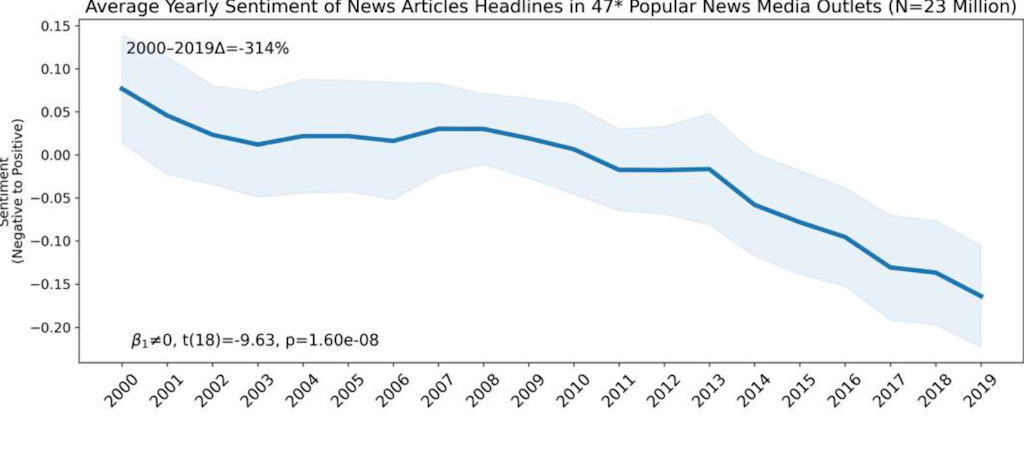
This commercial incentive has measurable consequences for the nature of public information. An academic study published in 2022 documented a clear and steady pattern of increasing negative sentiment in mainstream headlines over the preceding decades. The researchers found that headlines from 2019 were more than three times as likely to reflect intense emotions such as anger, disgust, fear, or sadness compared to headlines from the year 2000. Subsequent years have done little to reverse this trajectory, leading media critics to warn of an ongoing contagion of negativity. Hypercompetitive digital ecosystems, encompassing newspapers, television stations, radio broadcasts, and online portals, continue to project a heavily skewed and distorted picture of the global reality.
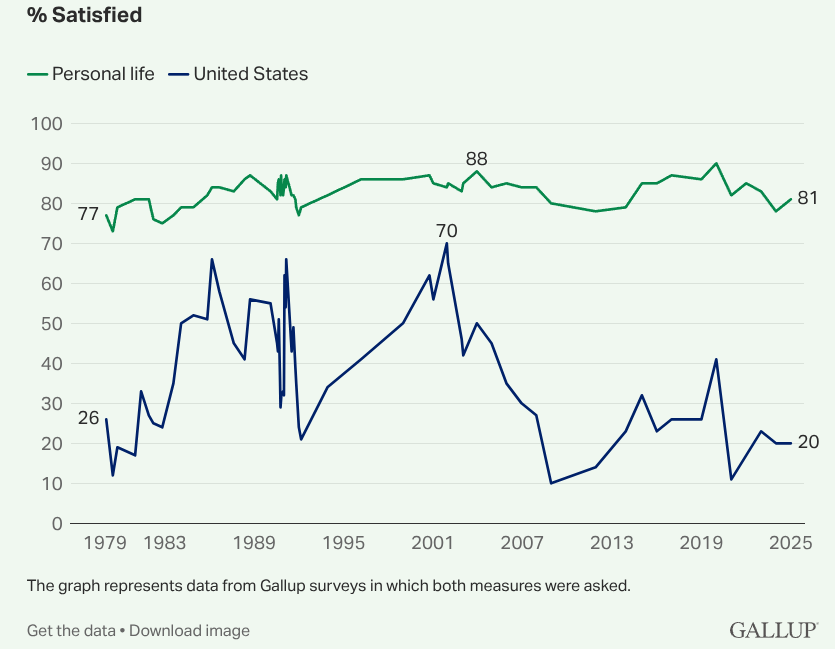
The persistence of this gloomy narrative has created a profound psychological disconnect between personal lived experience and macroeconomic or societal perceptions. A striking illustration of this phenomenon can be found in Gallup polling data from the period, which revealed that 81% of Americans reported being satisfied with the way things were going in their personal lives. In stark contrast, only 20% expressed satisfaction with the way things were going in the country as a whole. Analysts reviewing these figures observed that a society cannot be functioning in a state of catastrophic failure if a supermajority of its individual citizens are experiencing personal satisfaction and stability.
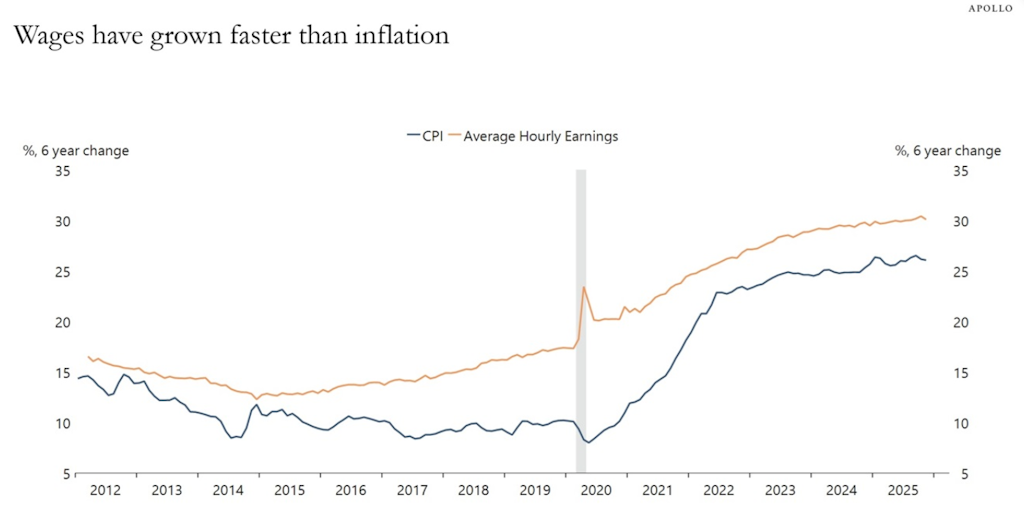
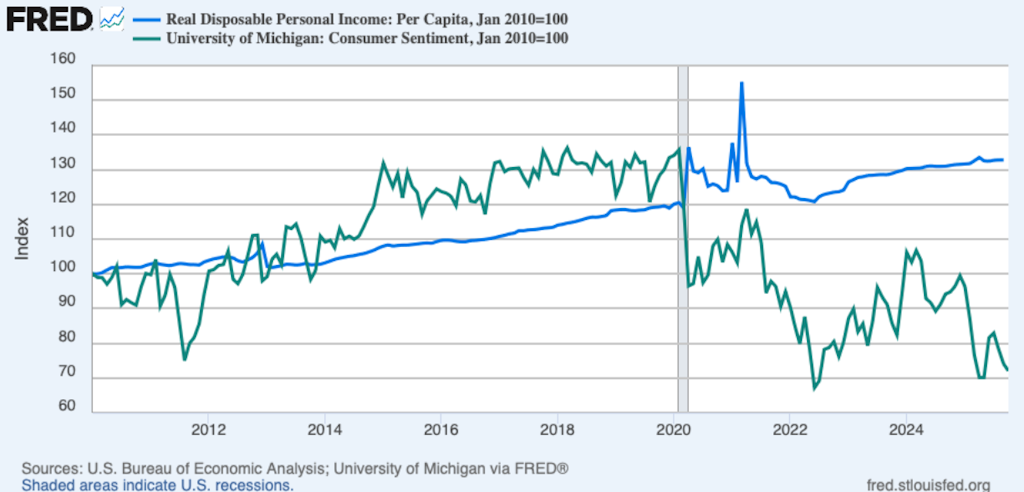
A similar divergence is visible in discussions surrounding the economy. While the media frequently broadcast warnings about a punishing affordability crisis, comprehensive examinations by publications like The Economist concluded that, by historical standards, life in America has rarely been as economically accessible for as many people. Economic data indicates that wages have outpaced price inflation consistently for a decade, meaning that consumer purchasing power has actually expanded rather than contracted, even when accounting for housing costs. Despite these favorable financial fundamentals, consumer sentiment famously decoupled from real disposable income during the pandemic and has stubbornly refused to recover, leaving populations significantly more pessimistic than hard economic data would justify.
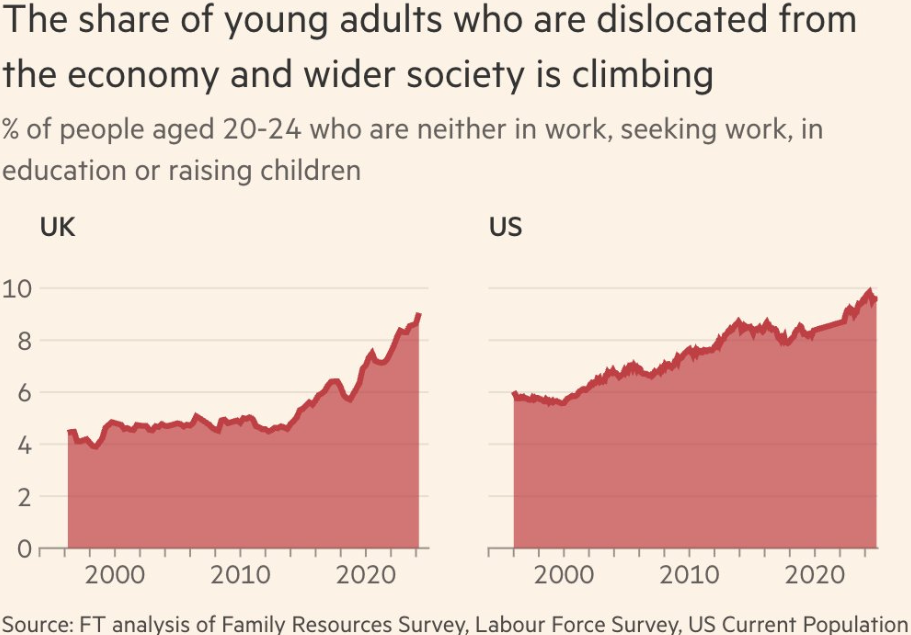
This sentiment disconnect extends into various sectors of commerce and society, yielding mixed recoveries across different industries. Data compiled by financial institutions like JPMorgan indicates that lifestyle sectors such as restaurants and air travel completely bounced back from pandemic-era disruptions. Conversely, other domains, including the traditional film industry and mass transit networks, have struggled to regain their former footing. Parallel shifts are visible in demographic and labor trends, with publications like the Financial Times reporting that young adults are showing increasing signs of disengagement from traditional societal milestones, such as steady employment and family formation. Experts suggest that this rising disengagement among youth is likely fueled, at least in part, by the constant drumbeat of discouraging media messaging.
At the same time, broader behavioral and demographic shifts are quietly reshaping the globe. Statistical tracking indicates that global populations are becoming marginally less stressed and worried over time, with measures of everyday worry and anger stepping down from their post-pandemic highs while positive emotional expressions begin to rebound. Culturally, digital platforms continue to absorb massive shares of youth attention, with over a fifth of the US population engaging daily with virtual environments like Roblox, signaling evolving patterns of social interaction for newer generations.
Demographic maps are also being redrawn at a staggering pace. Global birth rates have shifted dramatically, with nations like Nigeria now recording more births annually than the entire continent of Europe. Similarly, Ethiopia now records more births than the United States, and Afghanistan outpaces Japan. These monumental demographic realignments point to a dynamic and rapidly evolving planet that defies simple, uniform narratives of decline.
Ultimately, the persistent chasm between actual data and public perception suggests that the primary battleground of the modern era is psychological. As societies navigate complex economic realities, technological revolutions, and shifting global populations, the challenge lies in recognizing progress amidst a relentless tide of negative messaging. Whether the coming years will see a widespread correction in public optimism remains to be seen, though the structural incentives of the modern attention economy suggest that good news will likely remain absent from the front page.





Comments (0)