


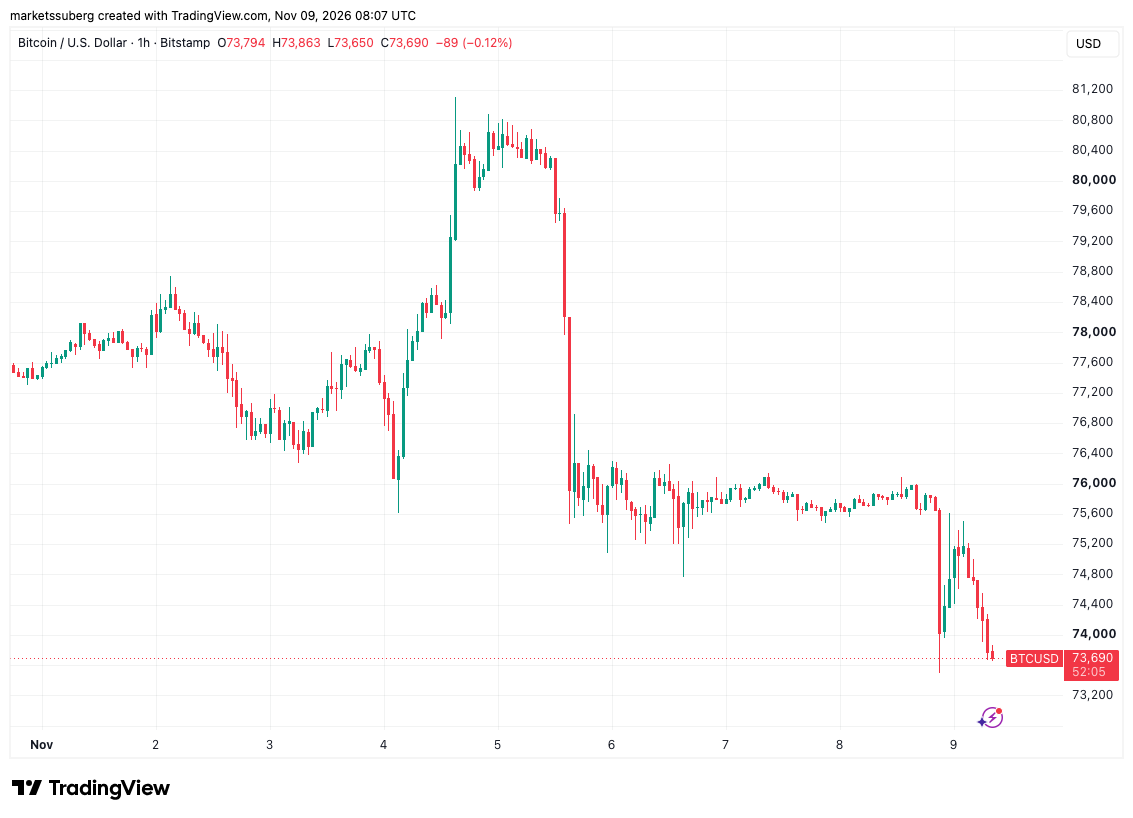
Bitcoin (BTC) tumbled to approximately $73,500 late Sunday, marking its weakest price performance since August. The sharp downward move came as more than $1 billion in leveraged crypto positions were aggressively wiped out across the market, creating a cascading effect just ahead of a crucial week for United States inflation data and broader macroeconomic developments.
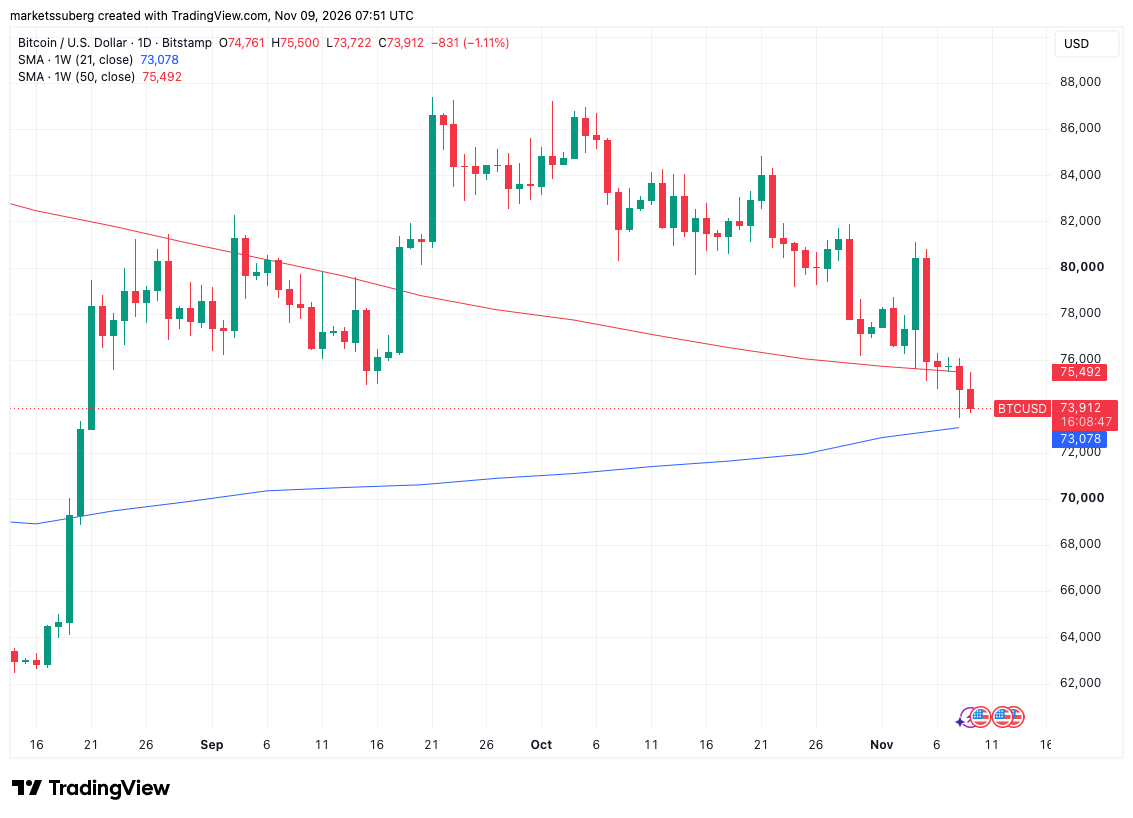
The premier cryptocurrency slipped below the psychological $74,000 threshold shortly before Sunday’s weekly market close, according to TradingView data. This extension of the previous week’s downward momentum caught leveraged traders off guard, triggering widespread margin calls and position closures across major derivatives exchanges.
Crypto Liquidations Top $1.1 Billion
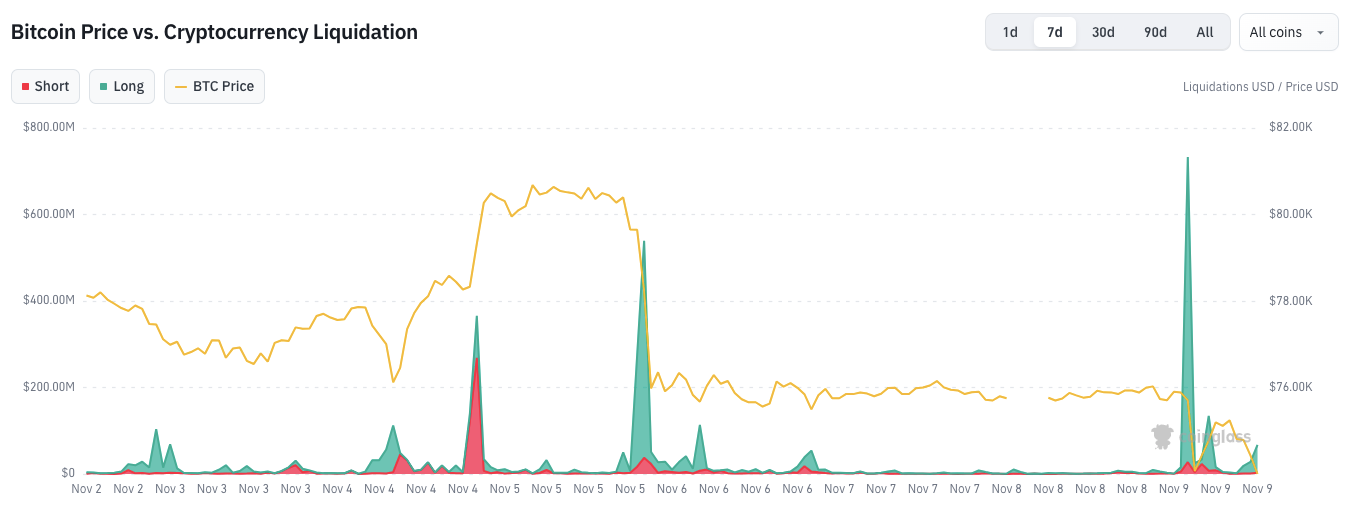
The scale of the market correction became starkly evident as total crypto liquidations surged. According to data tracked by CoinGlass, roughly $1.12 billion in leveraged positions were liquidated across the digital asset ecosystem in the 24-hour window leading up to 9:00 am UTC on Monday. The vast majority of these liquidations hit overextended long positions as prices breached critical technical support levels.
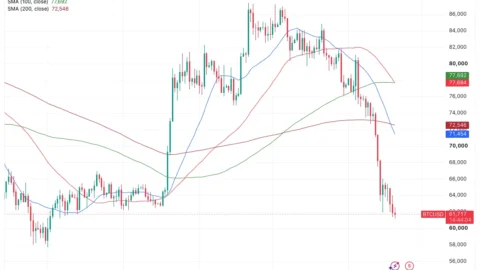
On the technical front, Bitcoin’s retreat forced the asset below its 50-week simple moving average (SMA), which sat at $75,492. The cryptocurrency subsequently moved closer to testing its 21-week simple moving average, hovering near $73,078.
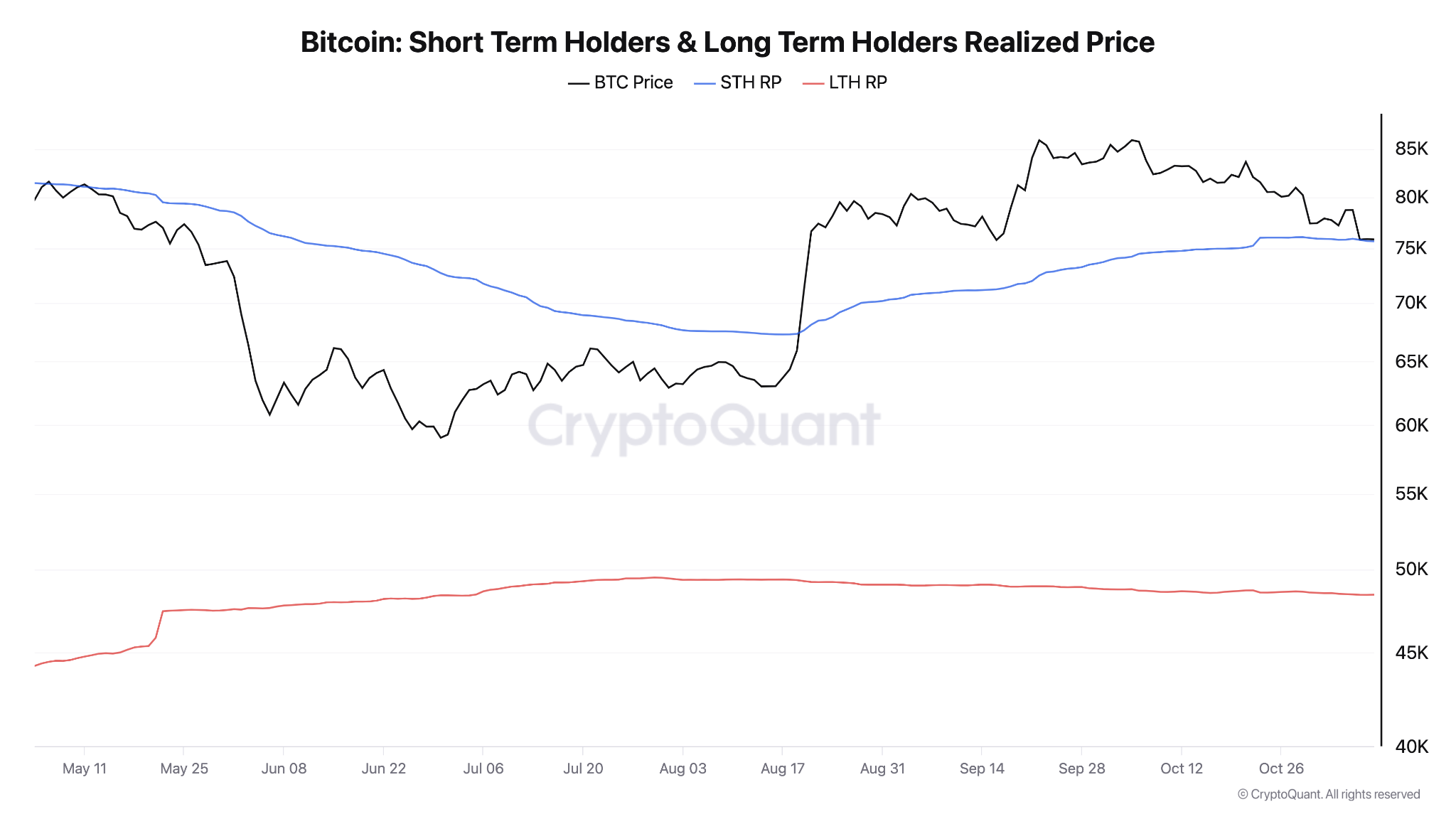
Furthermore, on-chain metrics highlighted the mounting pressure on market participants. CryptoQuant data revealed that Bitcoin traded below the short-term holder cost basis, which was estimated at $75,691 on Monday. This crucial on-chain metric calculates the average acquisition price for coins that have moved within the past 155 days, serving as an important gauge of market sentiment and profitability for newer investors.
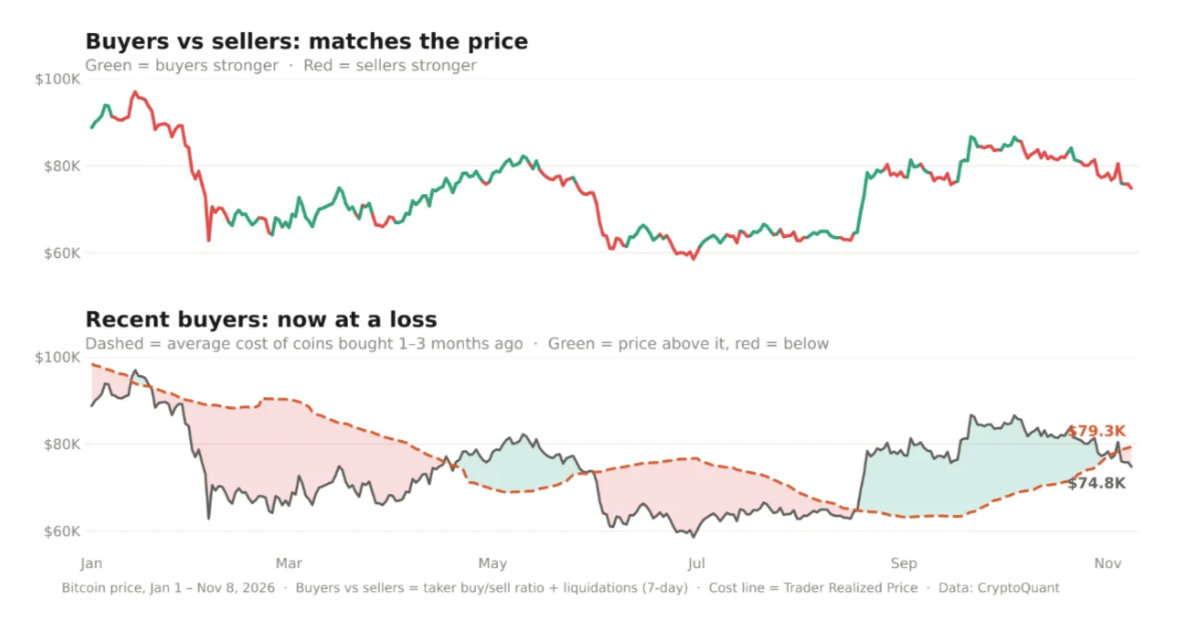
Additional insights from CryptoQuant community analysts indicated that the cost basis for coins that last changed hands between one and three months ago sits near $79,300. Market observers note that this higher threshold could transform into a formidable resistance barrier if recent buyers attempt to exit their positions at breakeven points during any recovery attempts. Historical trading behavior in 2026 demonstrates that the asset has previously spent months trapped below these specific moving lines before successfully reclaiming them.
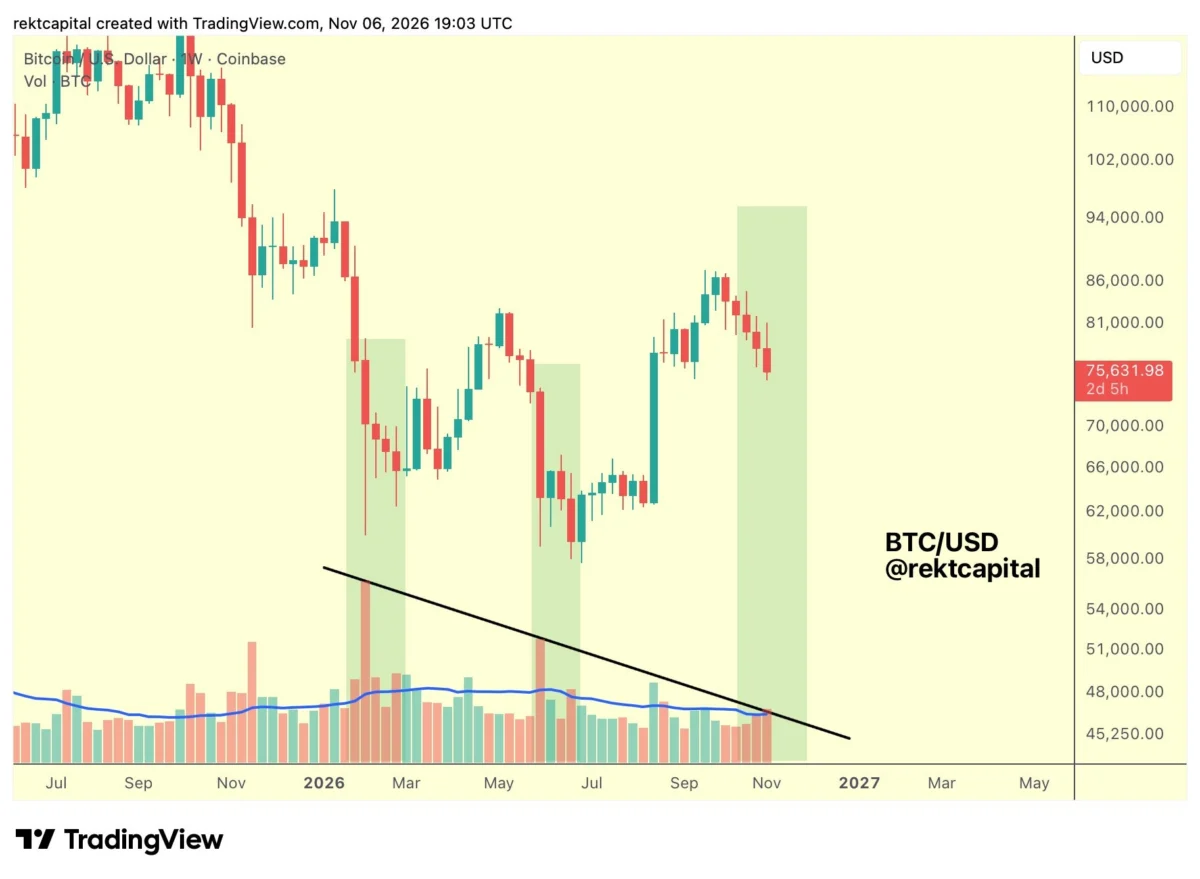
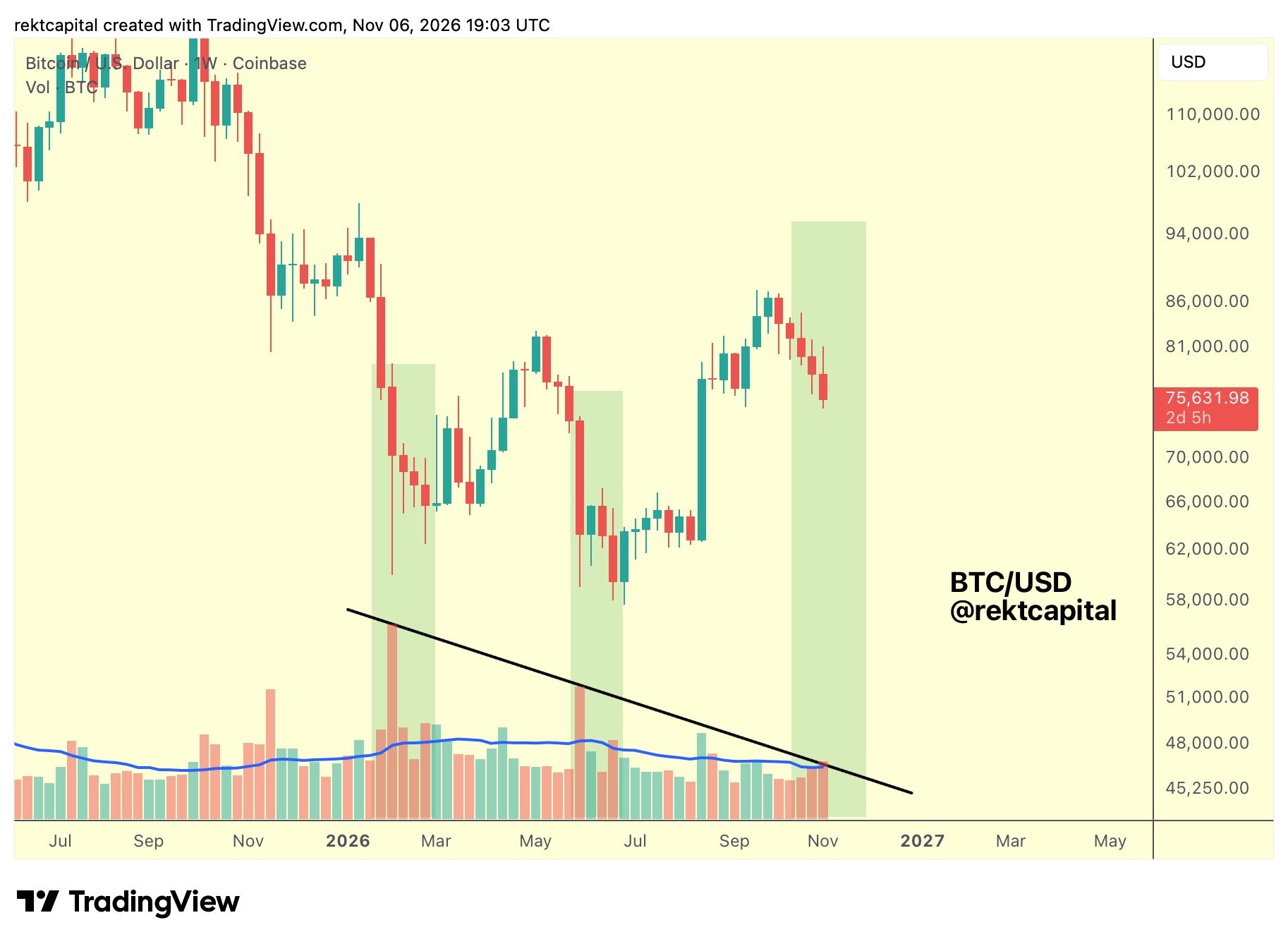
Noted market analyst Rekt Capital weighed in on the conditions required for a definitive market bottom, emphasizing that overall selling volume needs to expand further before exhaustion among sellers becomes apparent. In a post shared on social media platform X, the trader noted that genuine seller exhaustion traditionally materializes directly at or in close proximity to a major price floor.
Nasdaq Futures Swing After Nvidia Announces Probe
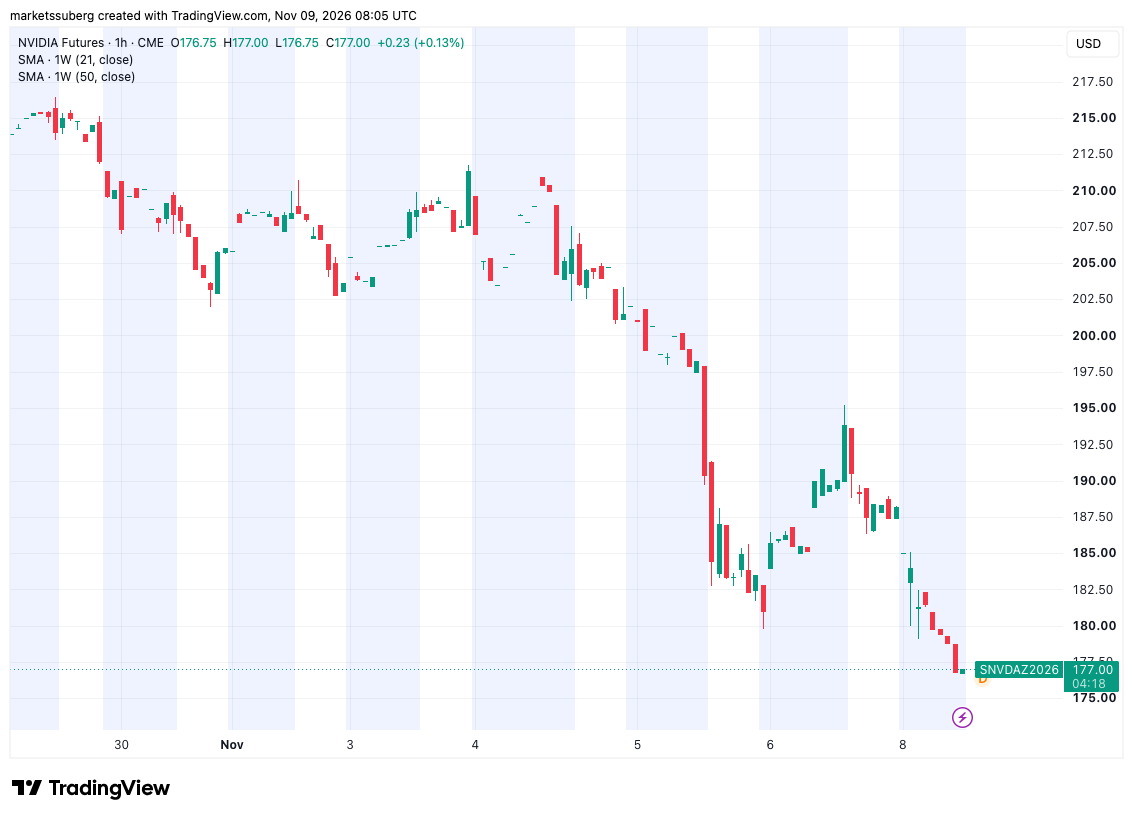
Traditional markets faced their own turbulence, directly influencing sentiment across risk-on assets, including technology stocks and digital currencies. Nvidia’s board of directors announced on Sunday that it had initiated an independent investigation into reports suggesting that CEO Jensen Huang had been the target of a foreign intelligence operation.
Despite the alarming headline, the board stated it had found no indication that United States national security or proprietary company secrets had been compromised. Simultaneously, China’s foreign ministry formally denied the spying allegations on Monday morning.
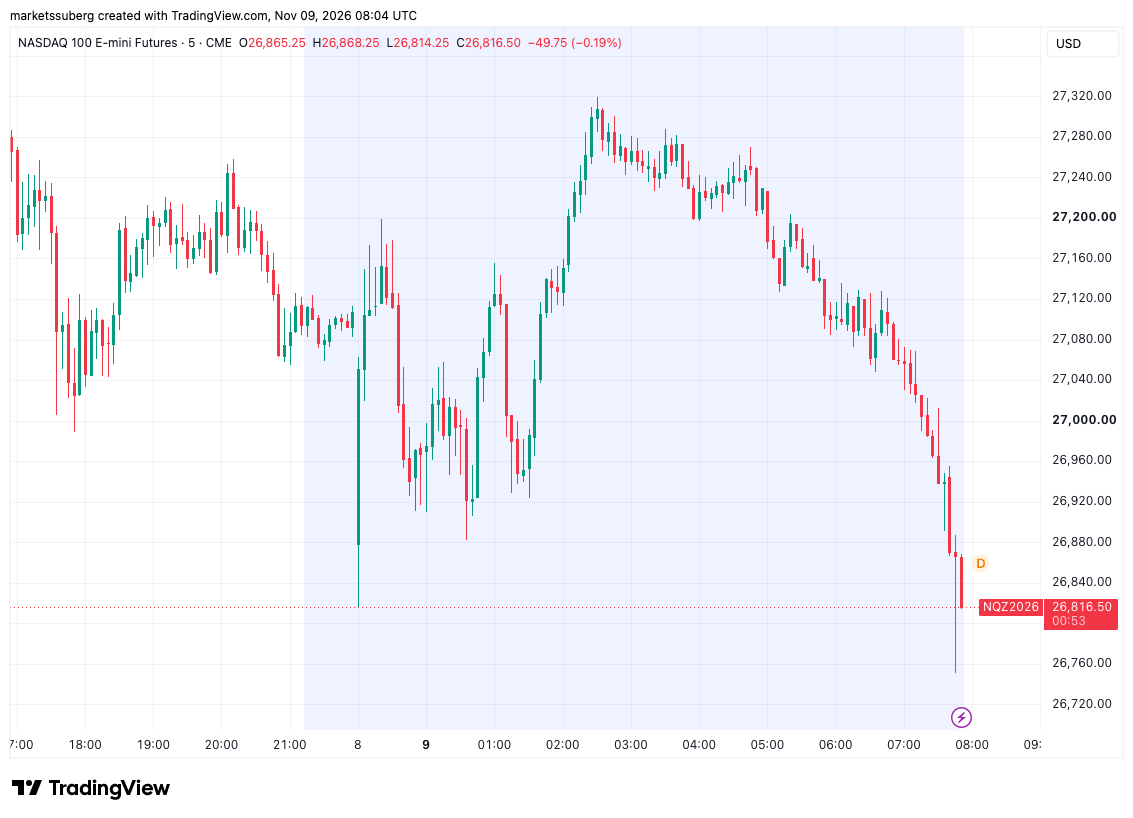
The news reverberated through equity markets, causing Nasdaq 100 futures to swing erratically early Monday. Contracts initially fell, experienced a brief recovery, and then slid downward once more ahead of the official opening bell on Wall Street. Meanwhile, futures tied to the S&P 500 and the Dow Jones Industrial Average managed to retain modest gains even as the tech-heavy Nasdaq futures slipped.
This sudden scrutiny followed a punishing week for the technology sector, during which investors reassessed capital expenditures directed toward artificial intelligence infrastructure alongside potential regulatory shifts following recent midterm elections.
Prominent economist Mohamed El-Erian described the timing of the corporate probe as unfortunate, highlighting Nvidia’s critical role within the broader technology sector and the global economy. In a published commentary, El-Erian noted that the company holds systemically important status for markets, while investors historically struggle to accurately price key-person risks, governance concerns, and fluid geopolitical dynamics.
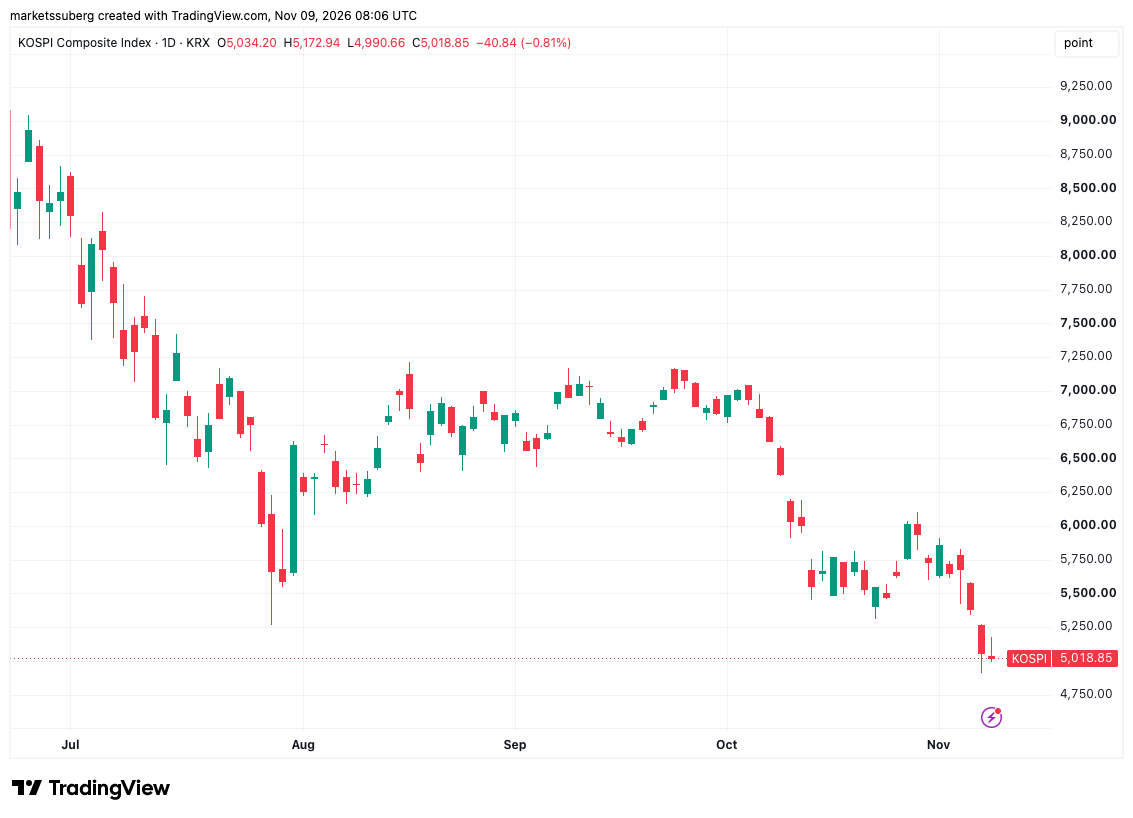
Meanwhile, markets in Asia absorbed the shock waves from the broader tech sell-off. South Korea’s benchmark Kospi index closed down 0.8% at 5,018.85 on Monday, following an extraordinary session on Friday that forced authorities to briefly halt trading after the index plunged over 8% shortly after the market opened.
Addressing lawmakers during a parliamentary budget committee session on Monday, South Korean Vice Minister of Science and ICT Ryu Jemyung sought to reassure markets regarding supply chain stability. He stated that the government anticipated contracted deliveries of advanced Nvidia graphics processing units to proceed on schedule without any major operational disruptions.
US Inflation Reports Loom as Oil Trades Near $90
Attention on macroeconomic fundamentals intensified as market participants prepared for pivotal inflation readings from the United States. The Bureau of Labor Statistics scheduled the release of the Consumer Price Index (CPI) for October on Tuesday, followed by the Producer Price Index (PPI) on Friday, with both reports slated for publication at 8:30 am ET.
Inflation remains a central concern for policymakers and investors alike. Consumer prices previously climbed 3.7% on an annualized basis through September, driven largely by surging energy costs. Specifically, gasoline prices jumped 9.1% compared to August figures, accounting for more than half of the monthly increase observed in the headline index.
Geopolitical developments in the Middle East continued to exert upward pressure on energy markets. West Texas Intermediate (WTI) crude futures traded near $90 a barrel on Monday morning. US President Donald Trump stated in a CNN interview on Sunday that renewed military strikes against Iran remained highly unlikely, noting that the outcome ultimately hinged on whether Tehran chooses to sign a comprehensive diplomatic agreement.
Economist Robin Brooks suggested that ongoing geopolitical conflicts have maintained a persistent risk premium in crude prices, arguing that a meaningful pullback in oil markets could act as a powerful tailwind for Bitcoin, equities, and precious metals. Brooks indicated that oil prices could feasibly correct toward $75 a barrel as the geopolitical dust settles and the broader market absorbs the results of recent political cycles in the US.
According to Brooks, a declining trend in crude oil prices should foster a favorable macroeconomic backdrop by reducing overall market risk premiums and easing downward pressure on interest rates, thereby strengthening the negative correlation typically observed between Bitcoin and oil.
With CME Group’s FedWatch Tool indicating that markets are pricing in a 78.8% probability of the Federal Reserve implementing a 25-basis-point interest rate increase during the upcoming December Federal Open Market Committee meeting, scrutiny over central bank policy remains exceptionally high. Several high-ranking Federal Reserve officials are scheduled to deliver public remarks in the coming days to provide further clarity on their perspectives regarding inflation trajectories and the overall health of the domestic economy.
Federal Reserve Governor Christopher Waller and Vice Chair for Supervision Michelle Bowman are both lined up to deliver speeches regarding the economic outlook. Waller is scheduled to appear at the Bank of England and its Watchers Conference in London, while Bowman will address the C. Peter McColough Series on International Economics in Washington, offering market participants fresh signals ahead of the week’s critical economic data releases.




Comments (0)